Key takeaways
- Press reports on 10 and 11 November say Rapidus is considering moving mass production of 2-nanometre chips from the second half of fiscal 2027 to fiscal 2028.
- Bloomberg reported that the company has not yet shown working SRAM memory cells, a milestone it was expected to reach by summer.
- Rapidus says it is fully committed to its original target, while a prolonged delay could jeopardise government support for the project.
Rapidus, the state-backed Japanese company trying to leapfrog the chip industry’s established leaders, is weighing a one-year delay to the start of mass production of its 2-nanometre semiconductors, according to reports published on 10 and 11 November 2026. The reports say development problems and slow progress on yields are behind the possible slip.
Rapidus has publicly kept its original schedule. According to Bloomberg as relayed by TrendForce, a company spokesperson said the company remains fully committed to beginning mass production in the second half of fiscal 2027, a period that ends in March 2028. The gap between that statement and the press reports matters because Tokyo has put large sums of public money behind the project as part of an effort to rebuild Japan’s advanced chipmaking.
What Was Reported
Seoul Economic Daily, citing Japan’s Jiji Press, reported that Rapidus is weighing a one-year delay in mass production of 2-nanometre chips, from the latter half of fiscal 2027 to fiscal 2028. Japan’s fiscal year runs from April to March, so the original window is April 2027 to March 2028 and the new one would be April 2028 to March 2029.
According to people familiar with the matter quoted in that report, Rapidus is struggling to develop technology for connecting transistors and integrating them with other components, which makes high performance hard to deliver. Yield improvement, the share of working chips from each wafer, has also been slow.
TrendForce, citing Bloomberg, reported that Rapidus has not yet demonstrated functioning SRAM cells, a milestone it was expected to reach by summer, which leaves it at least several months behind schedule. Digitimes, writing from Taipei on 11 November, said mounting technological challenges could delay the plan to begin mass production by March 2028 and could undermine Tokyo’s efforts to rebuild its domestic advanced semiconductor industry.
Rapidus in Brief
Rapidus was formed in August 2022 by a consortium including Toyota, Sony, NTT and SoftBank and works with IBM on 2-nanometre technology. Its official target is mass production in the second half of fiscal 2027, a period that ends in March 2028. Reports put Japanese government commitments at more than 2 trillion yen so far, or more than 3 trillion yen through fiscal 2027, depending on the source.
Why SRAM Is the Test Case
TrendForce describes SRAM as a key challenge in advanced chipmaking. Citing EE Times Japan, it reported that SRAM and high-current circuits are particularly prone to issues during the early stages of gate-all-around (GAA) process development.
Bloomberg also reported that Rapidus is working to address dust and particle contamination issues in its cleanroom facilities, according to TrendForce. Rapidus declined to disclose details of its technology development, citing confidentiality.
Since the company announced functioning transistors in July 2025, TrendForce noted, citing Bloomberg, that publicly disclosed technical progress has largely centred on releases of process design kits.
What Rapidus Says
Rapidus says it remains committed to its schedule. In the Seoul Economic Daily account, Rapidus said it will "continue to do everything possible" to meet its target of starting mass production in the latter half of fiscal 2027. The spokesperson’s statement to Bloomberg, as relayed by TrendForce, repeated that the company is fully committed to that schedule.
Reports of a delay and the company’s statements are not necessarily in conflict. Weighing a delay is not the same as announcing one, and none of the reports describes a formal decision. They do, however, show how narrow the margin is for a company trying to build leading-edge production on a short timeline.
The Public Money Involved
Rapidus emerged in August 2022 from a public-private consortium backed by Toyota, Sony, NTT, SoftBank and other major Japanese companies. It aims to jump from 40-nanometre technology straight to 2-nanometre through a technology partnership with IBM, Seoul Economic Daily reported.
The size of the government’s commitment differs by source. Seoul Economic Daily said Japan plans to provide more than 3 trillion yen in subsidies and equity investment through fiscal 2027. TrendForce reported that the government has committed more than 2 trillion yen so far and that a prolonged delay could jeopardise that support. The two figures may count different periods or forms of support, and the reports do not explain the difference.
TrendForce also relayed Bloomberg’s report that significant setbacks could delay the company’s planned initial public offering by 2032.
Weighing a delay is not the same as announcing one, and none of the reports describes a formal decision.
Customers and the Competitive Picture
Rapidus has partnered with 17 firms, including Synopsys and Infosys, according to Reuters as cited by TrendForce, though some potential customers remain cautious about shifting production from established foundries such as TSMC. TSMC leads the field, Seoul Economic Daily noted, while Samsung Electronics and Intel are also working on yields and 1.4-nanometre technology is advancing.
That is the commercial test for Rapidus: it has to deliver not just a working process but one that large customers trust enough to move away from the leader. A one-year slip would give rivals more time at the frontier.
Expansion Plans Despite the Reports
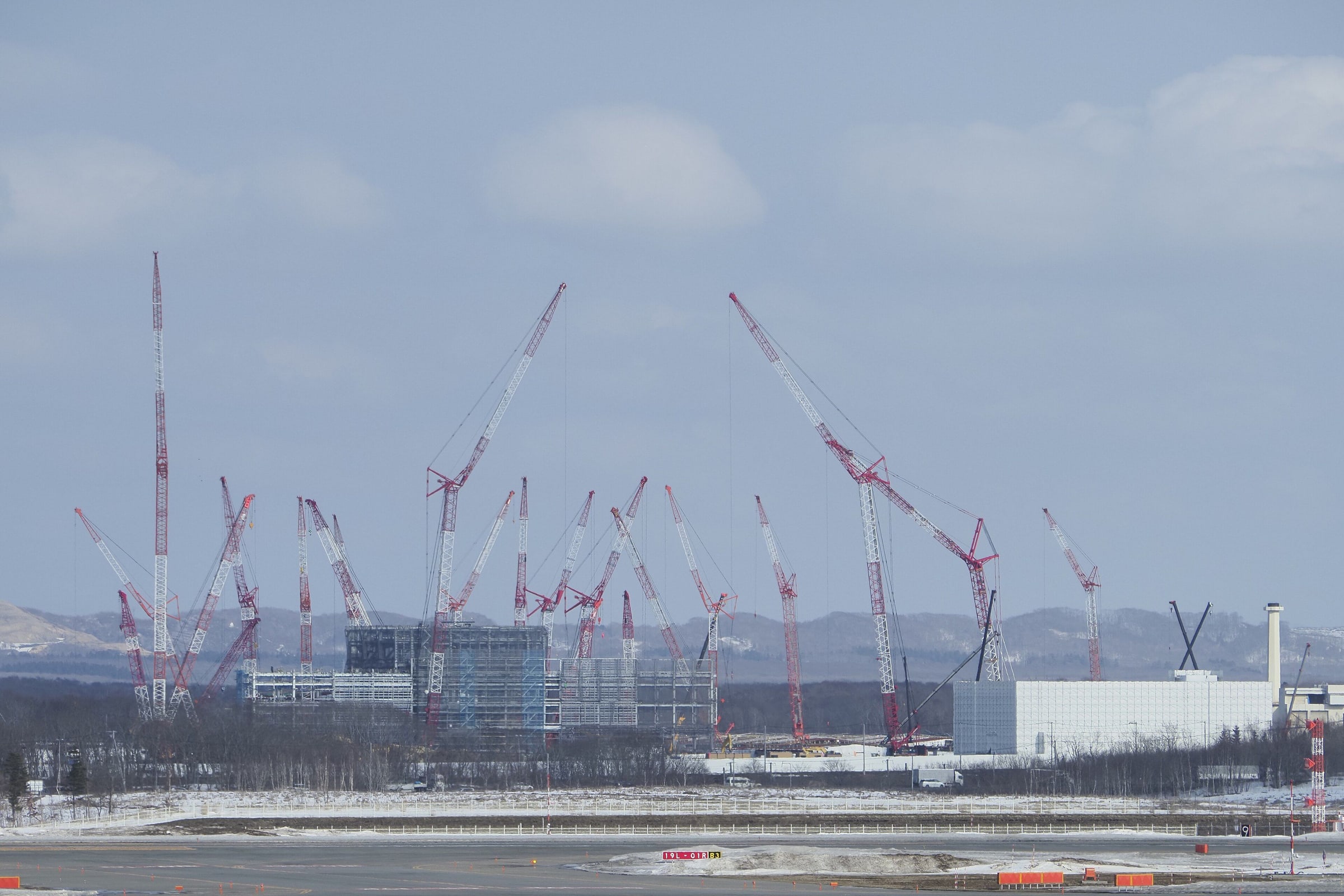
Even as the delay reports emerged, the company’s longer-term plans remain ambitious. Chief executive Atsuyoshi Koike said on 4 November that Rapidus envisions three additional fabs and an R&D facility near its Hokkaido plant, according to NHK as cited by TrendForce.
Rapidus began pilot production at its Hokkaido facility and announced functioning transistors in July 2025. Whether it can show working SRAM and improve yields in the coming months will be a key test of whether the fiscal 2027 target holds.
The timetable leaves little room. The window closes in March 2028, roughly 16 months from today. The milestone the company was due to reach by summer has not yet been shown, according to Bloomberg as reported by TrendForce. Rapidus has declined to disclose details of its technology development, so outside observers rely mainly on the company’s own statements and on accounts from unnamed people familiar with the matter.
Sources
- Japan’s Rapidus Weighs One-Year Delay in 2-Nanometer Chip Output, Seoul Economic Daily
- Rapidus 2nm production delay report, 10 November 2026, TrendForce
- Rapidus reportedly falls behind schedule on 2nm chip production target, Digitimes