Key takeaways
- The European Central Bank kept its deposit rate at 2.5% on 29 October, after raising rates twice this year, most recently in September.
- Christine Lagarde said she will step down as president on 7 February 2027, and the European Council will choose her successor.
- Euro area inflation reached 3.8% in September, and the bank said higher energy prices pose upside risks to the outlook.
The European Central Bank held its deposit rate at 2.5% on Thursday 29 October, as markets had expected. The main refinancing rate stayed at 2.65% and the marginal lending rate at 2.90%, according to Euronews. The pause follows two rate rises this year, the latest in September, which Euronews links to energy prices pushed up by the Iran war.
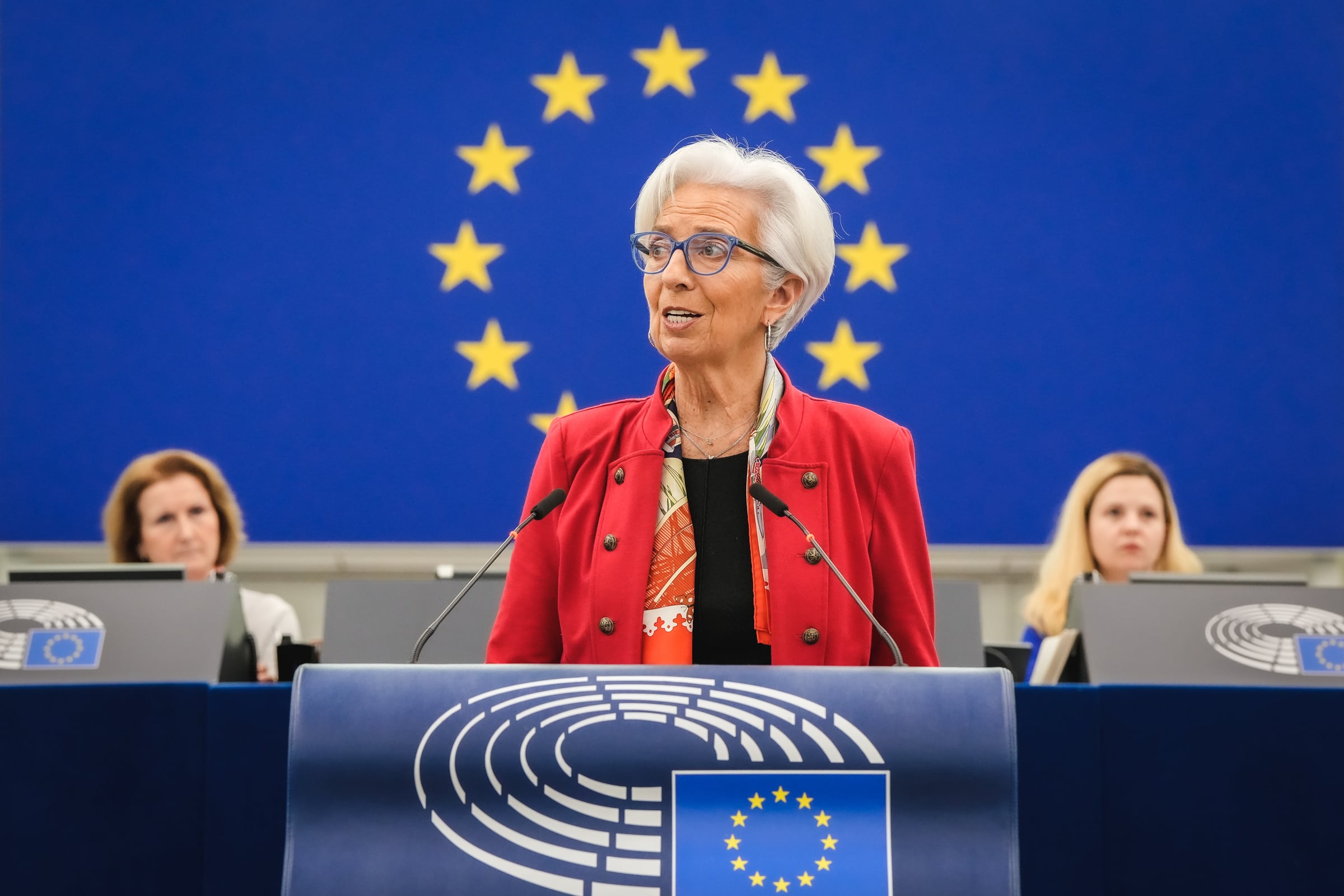
The decision was overshadowed by an announcement earlier in the day. The bank said Christine Lagarde, its president, will step down on 7 February 2027. The date falls about nine months before her eight-year term was due to end, and it opens a contest over who will run the central bank behind the euro.
Lagarde Sets a Date for Her Departure
In a press release, the ECB said Lagarde told the Governing Council and European Council President António Costa that she “will step down from her position on 7 February 2027”. Her successor will be appointed by the European Council under the nomination process set out in Article 283 of the Treaty on the Functioning of the European Union. The release said the Governing Council thanked her warmly and gave her a long standing ovation.
The central bank gave no reason for the timing. Euronews noted that reports since February have linked an early exit to France’s presidential election in April 2027. Reuters, as carried by Global Banking & Finance, said the move ended “months of speculation about her future”. Felix Feather of Aberdeen Investments said that, because she is stepping down before the French presidential election, the winner will have no role in choosing the next ECB president.
In a statement, Lagarde said: “I leave this institution with a sense of a good work done and an ECB that is fit for the future.”
The Numbers
Deposit rate: 2.5%. Main refinancing rate: 2.65%. Marginal lending rate: 2.90%. Euro area annual inflation in September: 3.8%, against 3.2% in August and 2.2% a year earlier. Lagarde’s last day: 7 February 2027.
Rates Unchanged, Inflation Risks Flagged
In its statement, as quoted by Euronews, the bank said energy prices had continued to rise, posing an upside risk to the inflation outlook, and it was not pre-committing to a particular rate path. Euronews reported that underlying inflation has remained broadly stable so far and that wages do not show a material response at this stage.
Eurostat, the European Union’s statistics office, confirmed on 16 October that euro area inflation rose to 3.8% in September from 3.2% in August. A year earlier it was 2.2%. Energy contributed 1.71 percentage points to the annual rate, and services added 1.52 points, according to the figures reported by Eunews. The ECB’s target is 2%.
Analysts quoted by Global Banking & Finance read the statement differently. Fiona Cincotta of City Index said the bank flagged energy-driven inflation risks but also pointed to tighter financing conditions, which markets took as a slightly more dovish signal. Marchel Alexandrovich of Saltmarsh Economics said a December rate rise is firmly in play but expects no major policy pivot from the change of leadership.
France’s Borrowing Costs Add Pressure
Financing conditions have tightened since the bank’s previous meeting. French ten-year borrowing costs rose above 5% last week, the first time since 2002, according to Euronews, and the gap over German government debt is about 155 basis points. Euronews reported that Dutch bank ING estimated the rise in bond yields since September had done the work of a 25 basis point hike in Germany, and closer to 50 basis points in France.
The ECB repeated that its Transmission Protection Instrument, a tool designed to counter disorderly moves in government bond markets, is available. The bank has never used it.
Markets moved modestly. The euro fell to its lowest level since May 2025, trading about 0.2% lower near $1.113, Reuters reported, while two-year government bond yields fell sharply and the pan-European STOXX 600 share index rose 0.95%. Lauren Hyslop of Mattioli Woods said whoever leads the bank will be slightly constrained by the fiscal situation, with massive deficits across the block and higher bond yields.
The presidency is not the only vacancy ahead.
Who Could Replace Her
Euronews named Pablo Hernández de Cos of Spain and Klaas Knot of the Netherlands as the frontrunners to succeed Lagarde. Conor Parle of Fidelity International said both would likely bring continuity to the presidency, according to Global Banking & Finance.
The presidency is not the only vacancy ahead. Two other seats on the six-member Executive Board open in the first half of 2027, including that of chief economist Philip Lane, Euronews reported. Alexandrovich added that Isabel Schnabel is also due to leave, so the bank faces a significant reshuffle.
Felix Feather of Aberdeen Investments said Lagarde’s exit matters more than the rate decision, because candidates differ in their views on tools such as the transmission protection instrument. Mark Wall of Deutsche Bank said he believes the institution matters more than any one person.
Sources
- ECB President Lagarde to step down on 7 February 2027, European Central Bank
- ECB holds rates at 2.5% as Lagarde announces early exit with inflation near double the target, Euronews
- ECB Holds Rates Steady as Lagarde Resigns; Euro Slides, Global Banking & Finance
- Euro area and EU September inflation confirmed up at 3.8 per cent, Eunews