Key takeaways
- A tanker burned north of Khasab, Oman, on Thursday, and Iran’s Revolutionary Guard said three tankers had hit mines on the strait’s southern route, a claim not independently confirmed.
- Brent crude held above $114 a barrel and WTI traded near $100.80, with ship-tracking data showing the Strait of Hormuz carrying a small fraction of its pre-crisis traffic.
- Mediators have given Tehran a new draft deal and expect an answer by the weekend, even as Trump played down a letter from Vice President JD Vance that the Wall Street Journal said was meant to revive peace talks.
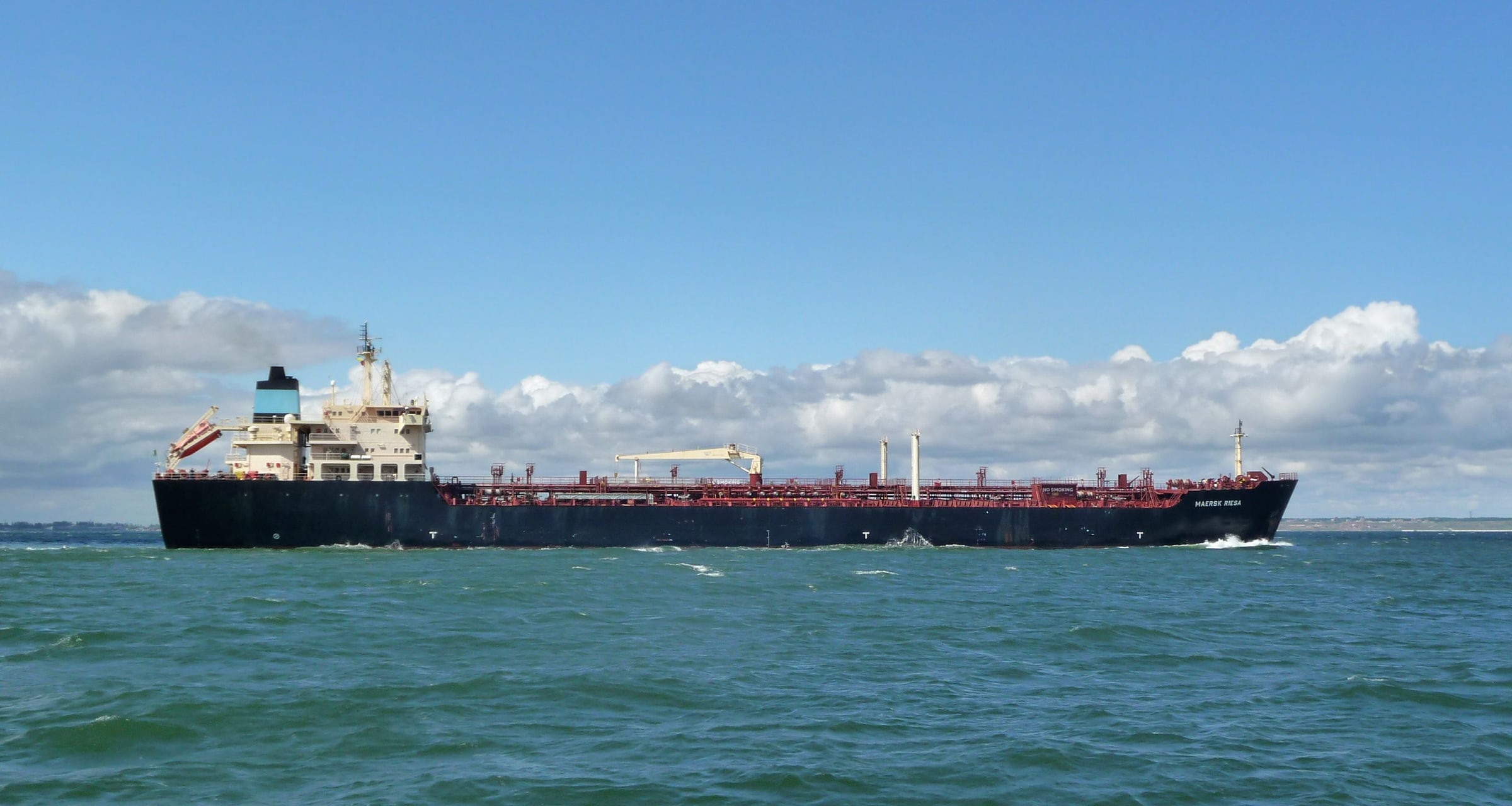
Oil prices stayed above $100 a barrel on Thursday 29 October as new attacks on shipping around the Strait of Hormuz kept the waterway largely closed to commercial traffic. A tanker was reported burning about nine nautical miles north of Khasab, Oman, at around 3am GMT, according to the UK Maritime Trade Operations office (UKMTO), which monitors shipping in the region.
Iran’s Revolutionary Guard said three oil tankers had exploded and caught fire after hitting naval mines on the strait’s southern route. Brent crude was holding above $114 a barrel, according to HNGN, while FXStreet reported US benchmark West Texas Intermediate (WTI) near $100.80. The war between the United States and Iran is now in its eighth month, according to The National, and the diplomacy meant to end it is moving at the same time as the military threats.
Competing Accounts of the Tanker Fires
UKMTO said the crew’s status was unknown, classed the incident as suspicious activity and advised ships to transit with caution, HNGN reported. The private security firm Vanguard Tech said the tanker was hit by an unknown projectile in the strait’s southern corridor and was on fire and mostly submerged. No tanker name, flag or cargo had been confirmed by Thursday afternoon, and no casualty figures had been reported.
The Guard’s navy said three tankers had exploded and caught fire over the previous 24 hours after hitting naval mines on the southern route. It said the ships had turned off radar and navigation, ignored Guard warnings and were stranded on the southern shore, and it held owners and crews responsible. Iran’s regular armed forces later said at least four tankers had caught fire after striking mines. None of the claims about additional tankers had been independently confirmed, according to HNGN.
The dispute turns on which lane ships may use. US Central Command and President Donald Trump have said the southern lane is cleared of mines, and the United States has encouraged shipping to use it near the Omani coast. Tehran says only the Iranian-administered northern routes are lawful, HNGN reported. In a similar episode on 20 October, the Guard said two tankers had hit mines in the southern zone and that the mines had been laid by the Iranian navy, Seoul Economic Daily reported.
Strait of Hormuz by the Numbers
Transits on 25 October: 2, against about 85 a day before the crisis (IMF PortWatch). Confirmed attacks on vessels, 28 September to 27 October: 34 (IMO). Brent on 29 October: above $114. WTI: about $100.80. US Strategic Petroleum Reserve: 282.6 million barrels in the week to 23 October.
A Waterway Running at a Fraction of Normal
IMF PortWatch recorded two transits through the strait on 25 October, against a pre-crisis baseline of about 85 a day, according to HNGN. The International Maritime Organization counted 34 confirmed attacks on vessels between 28 September and 27 October. IndustryWeek, in its weekly snapshot dated 28 October, said the strait is “severely constrained” and cautioned that transit data may be incomplete because of GPS jamming, spoofed ship-tracking signals and vessels going dark.
UKMTO’s weekly reports counted ten attacks in the strait in the seven days to 16 October and five in the seven days to 23 October, IndustryWeek reported. A container ship was struck on 13 October, caught fire and sank the next day. Kpler, the ship-tracking firm, counted at least 18 vessels attacked in the two weeks to 20 October, Seoul Economic Daily reported.
Some oil has found another way out. Saudi Arabia’s East-West pipeline, which bypasses the strait, restarted on 22 September after drone attacks. IndustryWeek reported, citing Reuters, that it has since reached 5.8 million barrels a day, according to Energy Minister Prince Abdulaziz bin Salman.
Oil Prices and Stockpiles
Prices have been volatile but high. Brent for December delivery traded at $111.67 on 20 October, its highest level since May, Seoul Economic Daily reported. On Thursday, HNGN put Brent above $114. FXStreet said WTI eased from a Wednesday high near $103 to about $100.80 as hopes of renewed negotiations were weighed against continuing attacks. The National also reported that prices fell on Thursday on news of fresh diplomatic efforts.
US inventories are adding to the tightness. The US Energy Information Administration reported that crude stocks fell by 1.46 million barrels in the week to 23 October, against analyst forecasts of a drop of about 300,000 barrels, FXStreet reported. The prior week’s drawdown was 3.06 million barrels. The US Strategic Petroleum Reserve held 282.6 million barrels in the week to 23 October, down from 325.7 million on 26 June, according to the EIA figures cited by IndustryWeek.
IMF PortWatch recorded two transits through the strait on 25 October, against a pre-crisis baseline of about 85 a day, according to HNGN.
Letters, Drafts and a Weekend Deadline
Diplomacy is running in parallel. The Wall Street Journal reported that Vice President JD Vance wrote to Mohsen Rezaei, secretary of Iran’s Supreme National Security Council, to revive peace talks, and that Trump directed the letter, The National reported. Trump acknowledged approving the outreach but said it concerned getting supplies to people who need them, adding: “Basically it’s about getting supplies in to help people that are not well.” HNGN reported that Iran’s Tasnim news agency confirmed receipt of the letter and said Tehran had not yet replied.
Iranian Foreign Minister Abbas Araghchi said Tehran remains in close contact with mediators over its Seven-Day Plan to reopen the strait, which Iran presented in September and which Trump rejected, a move IndustryWeek dates to 26 September. Mediators from Pakistan, Qatar, Egypt and Turkey are trying to narrow the gap. HNGN reported that Qatari mediators gave Tehran a new draft deal and that, according to a CBS News source, an answer is expected by the weekend, most likely on Saturday. Iranian officials say the waterway will stay closed until their seven-day plan is accepted, FXStreet reported.
The Wall Street Journal also reported that Washington has told Gulf governments to prepare for a short, intense operation against Iran after the 3 November US midterm elections, HNGN said. The White House declined to comment on sensitive plans. FXStreet’s analyst wrote that there is no real evidence of progress towards a peace deal, though softer rhetoric has prompted cautious hopes of a return to talks.
Why It Reaches Beyond the Gulf
The National reported that the war is driving up oil and gas prices and fuelling inflation worldwide. The US Bureau of Labor Statistics reported that energy prices rose 20.4% and gasoline 34.2% in the 12 months to September, and that gasoline accounted for “over half of the monthly all items increase” in consumer prices.
The conflict has also widened. The National reported that Houthi rebels have escalated attacks on Saudi Arabia, and that the Saudi-led coalition said it destroyed a ballistic missile aimed at the Eastern Province. Turkey’s President Recep Tayyip Erdogan told Trump by phone that Ankara is working on Hormuz and Yemen issues.
The June 17 memorandum of understanding outlined a 60-day plan to reopen the strait. On 8 July, Trump said of the ceasefire agreement, “as far as I’m concerned, it’s over”, according to IndustryWeek. With the strait at a fraction of normal traffic and no confirmed route to a settlement, the next signals to watch are Tehran’s reply to the Qatari draft and what follows the US vote on 3 November.
Sources
- Tanker Burns in Hormuz as Iran Says Three Ships Hit Mines, HNGN
- Trump downplays Vance letter sent to Iran, The National
- Strait of Hormuz Watch: Escalating Tensions Constrain Shipping, Dim Prospects for Peace Talks, IndustryWeek
- WTI Oil eases from highs on Iran peace hopes but remains above $100.00, FXStreet
- Two More Tankers Hit by Mines in Hormuz, Brent Hits 5-Month High, Seoul Economic Daily
- Consumer Price Index Summary, US Bureau of Labor Statistics