Key takeaways
- The Federal Open Market Committee voted 10-2 on 28 October to keep the federal funds target range at 3.75% to 4%, with Governor Lisa Cook and Cleveland Fed President Beth Hammack preferring a quarter-point rise.
- The statement upgraded economic activity to a strong pace and dropped September’s line about a timelier return to 2% inflation, while US consumer prices rose 3.7% in the year to September.
- Chair Kevin Warsh said he does not prejudge meetings, though futures markets priced a high chance of a December increase.
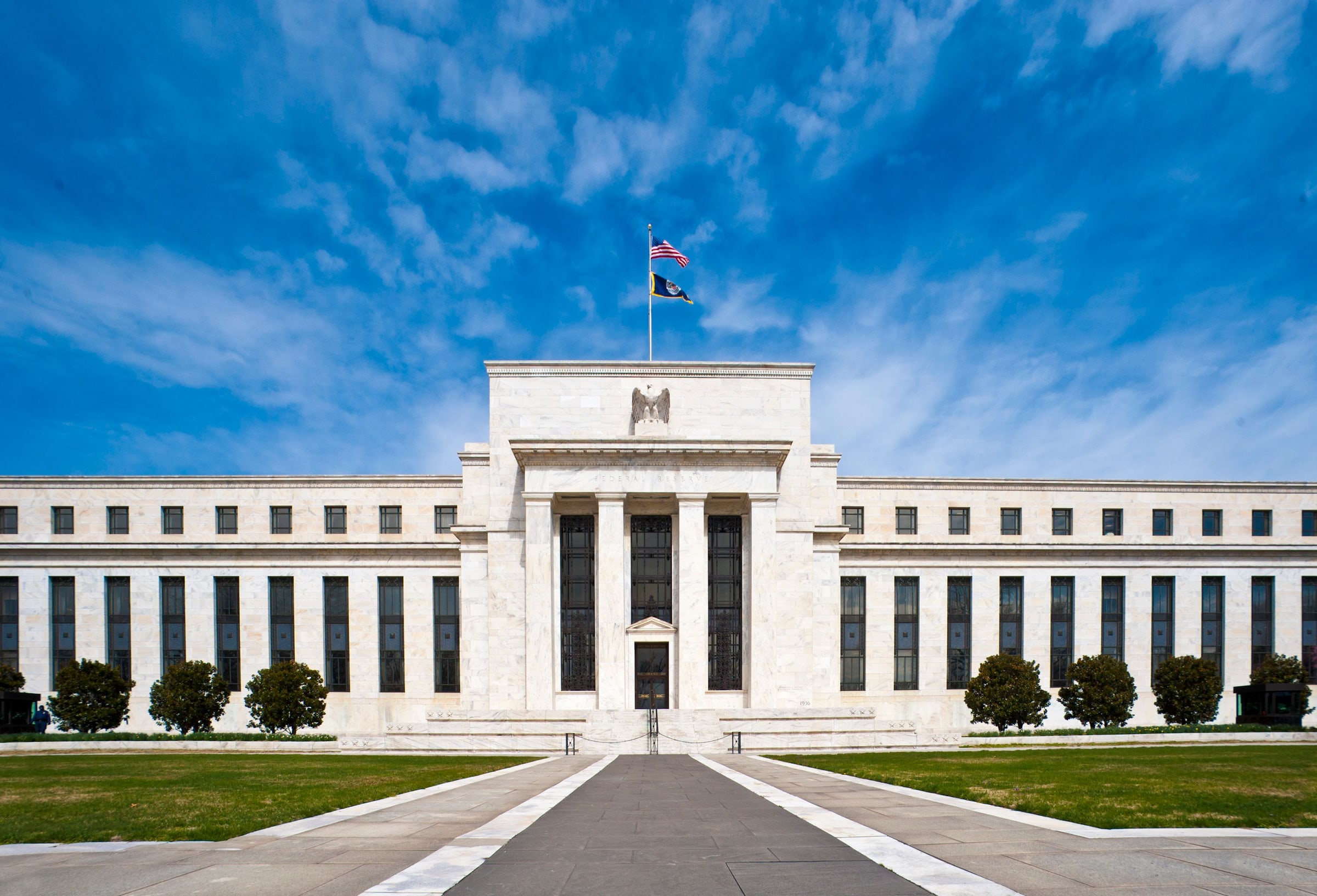
The Federal Reserve kept its benchmark interest rate at a range of 3.75% to 4% on Wednesday 28 October, pausing after raising borrowing costs in September for the first time since 2023. The Federal Open Market Committee, the Fed’s rate-setting body, voted 10-2. Governor Lisa Cook and Cleveland Fed President Beth Hammack dissented, and both preferred raising the range by a quarter of a percentage point, according to the Fed’s statement.
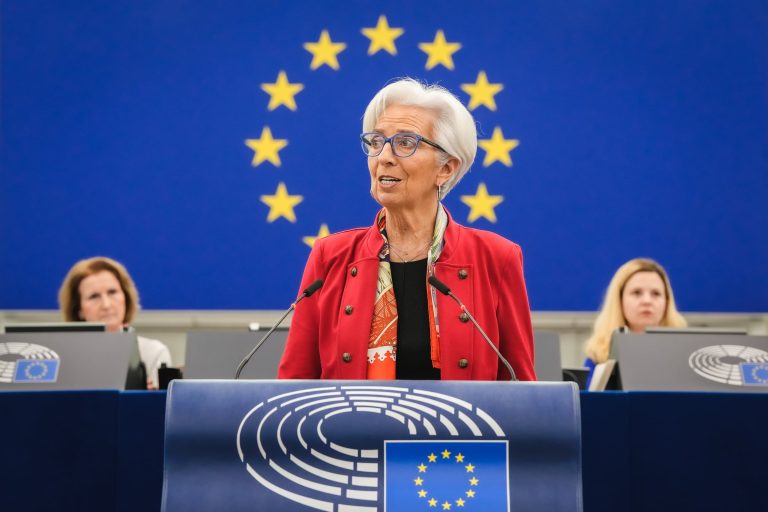
The decision came six days before the US midterm elections and with inflation running well above the Fed’s 2% goal. Chair Kevin Warsh said he does not prejudge meetings, leaving open whether it will raise rates again when it next meets on 8 and 9 December.
A Hold With Two Votes for a Hike
The committee kept the target range for the federal funds rate, the rate banks charge each other for overnight loans, at 3-3/4 to 4 percent. It also said it is continuing its policy of maintaining ample reserves in the banking system. The September increase was the Fed’s first since July 2023, according to Fox Business, and the first under Warsh since President Donald Trump gave him the post, Fortune reported.
The Fed said the decision supports its dual mandate. The statement said more information will help the committee set the policy stance needed to bring inflation back to its 2% goal. Cook and Hammack, who both preferred to raise the range by a quarter of a percentage point, were outvoted by the other ten members.
Hammack’s dissent had been expected, while Cook’s had not, Fortune reported. Previews had named Hammack, Dallas Fed President Lorie Logan and Minneapolis Fed President Neel Kashkari as the likeliest to dissent. Fortune also noted that it is the first time since 1992 that a Fed governor and a regional bank president have dissented together.
The Decision in Brief
Target range for the federal funds rate: 3.75% to 4%. Vote: 10-2, with Lisa Cook and Beth Hammack preferring a quarter-point rise. September consumer price inflation: 3.7% a year; core 2.6%. Next meeting: 8-9 December 2026.
Background: September’s Increase
The Fed raised its benchmark rate by 25 basis points in September, its first increase since July 2023, according to Fox Business. At that meeting the committee’s statement said the increase would support a timelier return to 2% inflation, Fortune reported. At the October meeting, with consumer prices rising 3.7% a year, the committee chose to hold the range steady.
Warsh said financial conditions have tightened since September, though he is “unwilling and unable” to call them tight, according to Fox Business. The committee left in place its policy of maintaining ample reserves in the banking system, and the statement did not otherwise address the Fed’s balance sheet.
What Changed in the Statement
The statement now describes economic activity as expanding at a strong pace, up from a solid pace in September. It says domestic spending has been resilient, productivity growth is strong and capital investment is robust, and that uncertainty remains elevated, partly because of geopolitical developments. Job gains have kept pace with the workforce and the unemployment rate has changed little.
The most closely read change is on inflation. Fortune reported that the Fed replaced September’s line saying the rate increase would support a timelier return to 2% inflation with wording that more information will help the committee set the appropriate policy stance. The statement still says inflation remains elevated, and the closing sentence is unchanged: “The Committee will deliver price stability.”
The Inflation Data Behind the Debate
The US Bureau of Labor Statistics reported on 14 October that the consumer price index rose 3.7% in the 12 months to September, up from 3.4% in August. Prices rose 0.6% on the month after 0.4% in August. Energy prices were up 20.4% over the year and gasoline 34.2%. The bureau said gasoline’s 9.1% rise in the month accounted for “over half of the monthly all items increase”.
Core inflation, which excludes food and energy, rose 2.6% over the year, up from 2.4%, with a monthly rise of 0.3%, the same as in August. Fortune said the core figure beat forecasts and that overall inflation is edging back toward the three-year high it reached in May. Fox Business also reported that the personal consumption expenditures price index, the measure the Fed uses for its 2% target, rose 3.6% in September. The next consumer price report is due on 10 November.
The rise is concentrated in energy. Food prices were unchanged on the month and up 2.5% over the year, the bureau said, while gasoline rose 9.1% in September on a seasonally adjusted basis. That mix helps explain why the headline figure of 3.7% sits so far above core inflation of 2.6%.
Warsh said inflation has run above the target for nearly six years, according to Fox Business, and that there is no soft inflation target: the goal is 2%, measured by the personal consumption expenditures index.
The statement now describes economic activity as expanding at a strong pace, up from a solid pace in September.
What the Chair Said
Warsh described labour-market conditions as quite positive, Fox Business reported. On the path ahead, Fortune reported, Warsh said: “I don’t prejudge meetings.” He added that politics played no role in the decision.
Fox Business also reported a change to the calendar. From next year the Fed will hold eight meetings a year, and one of the 2027 meetings will focus on strategy, with no rate vote.
How Markets and Analysts Read It
Stocks edged higher after the announcement. According to Fox Business, the S&P 500 rose 0.26%, the Dow Jones Industrial Average gained 0.28% and the Nasdaq rose 0.17%. The CME FedWatch tool, which tracks futures pricing, put the probability of a December increase at 82.6%.
Analysts quoted by Fox Business split on the timing. Kay Haigh of Goldman Sachs Asset Management said she expects the Fed to resume rate increases in December. Seema Shah of Principal Asset Management said the Fed has time on its side and room to wait for more data.
The next test is the committee’s meeting on 8 and 9 December, which will follow the release of October consumer price data. Policymakers will weigh that report against a labour market in which job gains have kept pace with the workforce, and against energy prices that have driven much of the recent rise in inflation.
The decision landed six days before the midterm elections, and Warsh said politics played no role in it.
Sources
- Federal Reserve issues FOMC statement, October 28, 2026, Federal Reserve Board
- Fed holds rates steady days before the midterms, even as inflation runs hot, Fortune
- October FOMC: Federal Reserve holds rates steady ahead of election, Fox Business
- Consumer Price Index Summary, US Bureau of Labor Statistics