Key takeaways
- At least 68 people died and about 80 were injured when a Renfe high-speed train hit the back of a stopped Iryo train near Urda, south of Madrid, on Wednesday.
- Transport Minister Óscar Puente said a computer failure halted six trains and that a control centre then ordered the Renfe train to resume without speed restrictions.
- Spain has declared three days of national mourning, suspended high-speed services between Madrid and Andalusia and opened an investigation, nine months after another fatal crash on the same line.
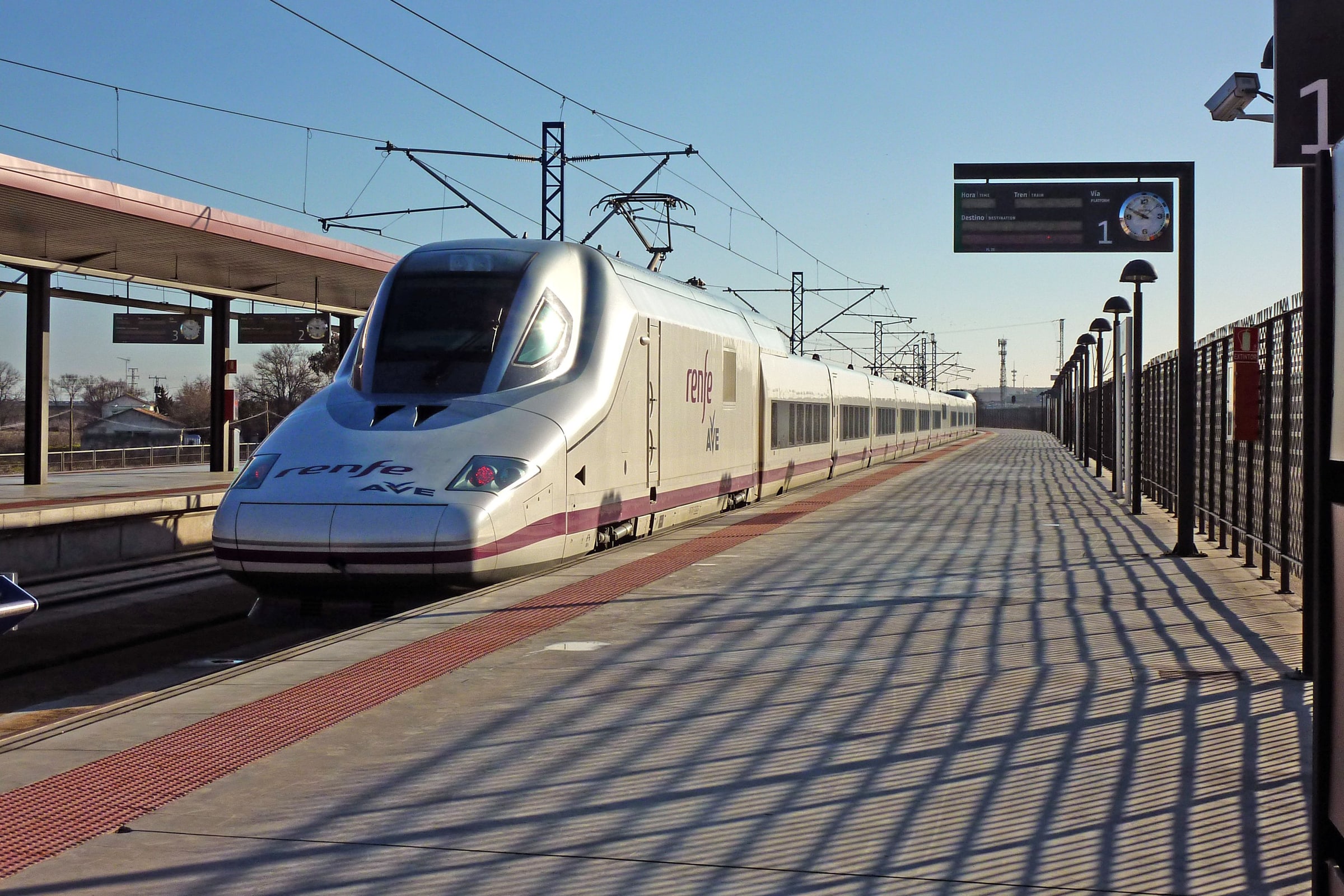
At least 68 people were killed on Wednesday 28 October when two high-speed trains collided near Urda, in Toledo province, south of Madrid. A Renfe train carrying 397 passengers struck the rear of an Iryo train that had stopped on the same Madrid-Seville line, according to regional officials. About 80 people were injured, and the regional government of Castilla-La Mancha said the toll could still rise.
Transport Minister Óscar Puente said the preliminary evidence points to a decision by an infrastructure control centre rather than to the train crews. It is the deadliest rail accident in Europe since 2013 and the second fatal high-speed collision in Spain this year, and it arrives weeks before a general election on 29 November.
What Happened on the Madrid-Seville Line
Both trains were travelling from Madrid towards Seville. The Renfe service, a state-run AVE, carried 397 people, and the Iryo service, run by a private operator, carried 147, according to Esther Padilla, spokeswoman for the Castilla-La Mancha government. ABC News, citing the transport ministry, put the Iryo figure at 146. The impact left two carriages of the Iryo train down an embankment, and Irish broadcaster RTÉ reported that at least three carriages plunged down the slope.
The death toll differs slightly between outlets. Most reports cited at least 68 dead, while ABC News quoted a regional spokesperson who gave 69. Health Minister Mónica García said 80 people were injured, 15 of them very seriously. Regional president Emiliano García-Page put it at about 50 seriously injured and 15 critically, while ABC News reported at least 15 seriously injured and more than 50 with lesser injuries. Al Jazeera reported that 52 bodies had been recovered at the time it published, and García said rescuers were concentrating on the two most badly damaged carriages.
More than 200 members of the Military Emergencies Unit worked at the site, and the Civil Guard sent a disaster investigation team. Passenger Ignacio Relaño told Spanish state broadcaster TVE, as CBS News reported, that the train slowed abruptly, stopped briefly, restarted and then crashed.
The Crash at a Glance
Date and place: Wednesday 28 October 2026, near Urda, Toledo province, on the Madrid-Seville high-speed line. Trains: a Renfe service with 397 passengers and an Iryo service with 147. Toll: at least 68 dead and about 80 injured. Earlier crash: 18 January 2026 near Adamuz, which killed 46 people.
The Signalling Failure and the Order to Resume
Puente said a computer failure disabled the LZB signalling system over a 63-kilometre stretch at about 8:30am, and that around six trains stopped automatically. Control passed to a centre in Madrid run by the infrastructure manager Adif, which decides when trains may move again. According to the timeline reported by Al Jazeera, the Renfe train was cleared to resume normal speed at 8:36am. The Iryo train received the same instruction at 8:41am but could not move, and its driver reported at 8:48am that it was still stalled. At 8:53am the Renfe train, travelling at more than 200km/h, hit it.
Puente called the order “inexplicable” and said the train should not have been allowed to move while a stop signal was still showing, or should at least have been told to go slowly. Spanish rules allow trains to move at up to 40km/h when LZB is down, according to the same Al Jazeera account, and the backup system only detects signals at set points on the track. Puente said the drivers and engineers were not to blame and that he was not assigning responsibility to any individual.
The operators described it differently. Renfe said its train moved as it had been instructed, and that it did not know why the Iryo train had stopped. Sources close to Iryo told the Spanish news agency EFE, as Al Jazeera reported, that the train had stopped at a signal and called controllers, as the rules require. Adif has not said where the failure lay inside its control centre, and regional president Emiliano García-Page told ABC News that an independent railway accident investigation commission would determine the causes.
A Second Fatal Crash in Nine Months
On 18 January a high-speed train derailed near Adamuz, in Córdoba province, and hit an oncoming train, killing 46 people (CBS News gave 45). That crash also involved Renfe and Iryo trains on the same corridor. A preliminary Civil Guard report on it pointed to defects in the track, rail or weld between two sections of track as the main hypothesis while keeping seven other theories open, RTÉ reported. Prime Minister Pedro Sánchez, who visited the site and declared three days of official mourning from 29 to 31 October, said the causes of the two accidents appear unrelated and called two such crashes in one year “unacceptable for a country like Spain”.
The Madrid-Seville line is the only Spanish high-speed route still using LZB, which dates from 1992. Al Jazeera reported that Adif was awarded a 52-month contract in 2021 to replace it with the European Union’s standard signalling system and that the work is still under way. Spain’s railway safety authority recorded 45 incidents, including derailments and collisions, in 2016, 57 in 2024 and 69 in 2025, RTÉ reported. RTÉ also reported that only about 16% of the roughly €1.5bn spent a year on the high-speed network between 2018 and 2022 was earmarked for maintenance, renewal and upgrades.
The crash has entered the election campaign. About 1,500 people gathered outside the Transport Ministry on Wednesday evening to demand Puente’s resignation and clashed with police, according to Al Jazeera. Sánchez cancelled upcoming campaign rallies. Alberto Núñez Feijóo of the opposition People’s Party cancelled his events during the mourning period and called for a full investigation, while Santiago Abascal of Vox kept campaigning and sharply criticised the government.
The Madrid-Seville line is the only Spanish high-speed route still using LZB, which dates from 1992.
Services Suspended Across Andalusia
Adif suspended high-speed services between Madrid and Andalusia. Trains continue to run between Madrid and Toledo, and between Málaga and Seville. Renfe suspended ticket sales on the Madrid-Andalusia corridor until 13 December, with an alternative service due to start on Friday, according to Al Jazeera. Iryo cancelled all departures from Madrid-Puerta de Atocha on the southern corridor, with no date for their return, according to ABC News.
Renfe activated a special line for victims’ families and Iryo activated its emergency protocols, RTÉ reported. The United States State Department told ABC News that several US citizens were injured and had not indicated that any were among the dead. European Commission President Ursula von der Leyen said Europe mourned with Spain.
Sources
- Injuries reported after two trains collide in Spain, Al Jazeera
- What we know about Spain’s second high-speed rail tragedy this year, Al Jazeera
- At least 68 dead after two trains crash in Spain, RTÉ
- High-speed train crash in Spain leaves at least 68 dead, dozens injured, officials say, CBS News
- ‘Inexplicable’ order probed as cause of train crash that killed at least 69, ABC News