Key takeaways
- CATL announced on 28 October a memorandum of understanding with German integrator Intilion to deploy up to 3 GWh of sodium-ion storage in Europe over five years, in markets including Germany, Switzerland and Austria.
- Pv magazine describes the 3 GWh as a development goal, and says neither company has disclosed projects, contract values or delivery dates.
- The same day, CATL unveiled a 9 MWh Tener+ grid storage system at the All Energy Australia event in Melbourne.
CATL, the Chinese battery maker, announced on Wednesday a memorandum of understanding with Intilion, a German energy storage integrator, to deploy up to 3 gigawatt-hours (GWh) of sodium-ion storage systems in Europe over five years. The markets named include Germany, Switzerland and Austria. The companies plan to introduce CATL’s Tener Sodium system for grid-scale, commercial and industrial uses, CnEVPost reported.
The same day, CATL unveiled the 9 MWh Tener+ at All Energy Australia in Melbourne, together with partnerships in Australia. Taken together, the two announcements show CATL pushing sodium-ion storage into Europe and a grid-scale system into Australia, and how much of the sodium-ion business still rests on agreements rather than deliveries.
What CATL and Intilion Agreed
According to CnEVPost, CATL signed a memorandum of understanding with Intilion to deploy 3 GWh of sodium-ion energy storage in Europe over five years. The deal extends an existing partnership to a new battery technology. The companies say they have deployed more than 30 energy storage projects in Germany since 2022.
Intilion is based in Paderborn and is part of the Hoppecke Group, pv magazine Germany reports. The magazine describes the 3 GWh as a development goal. Neither company has disclosed specific projects, procurement commitments, contract values or delivery dates, and it is not clear whether the new agreement forms part of an earlier one. In May 2025 the two companies signed a partnership for up to 10 GWh of storage projects in the German-speaking region over five years, covering CATL’s Tener products.
The timing of the announcement differs between outlets. CnEVPost says CATL announced the partnership on Wednesday, 28 October. Pv magazine’s article is dated 13 October and says Intilion chief executive Hubertus Jakobi announced the deal on LinkedIn the previous week.
Key Figures
CATL and Intilion: up to 3 GWh of sodium-ion storage over five years in Europe, including Germany, Switzerland and Austria, under a memorandum of understanding. CATL’s stated Tener Sodium figures: more than 30 MWh per system, 15,000 cycles at 25°C, global commercial deliveries from June 2027. Tener+: 9 MWh, 25-year design life, according to CATL. CATL’s first-half 2026 lithium-ion storage shipments: 125.0 GWh, a 27.1% share, according to SNE Research.
The Sodium-Ion System at the Centre
CATL unveiled Tener Sodium on 22 June 2026, calling it the world’s first field-validated sodium-ion energy storage solution. The figures that follow are CATL’s own. The system is rated above 30 MWh in a fully modular design, with configurations from one to eight hours of discharge. CATL quotes about 15,000 cycles at 25°C, more than 10,000 cycles at 45°C and more than 92% of capacity retained at minus 20°C.
CATL says that cold-weather performance, together with 25 years of stable operation, supports frequency regulation on European grids. The system is also dimensionally compatible with lithium-ion batteries, which the company says gives customers more choice of battery technology and reduces their exposure to lithium price volatility.
Deliveries are still ahead. CATL said in June that first deliveries in China would begin in September, that it expects to ship 1 GWh by the end of 2026, and that global commercial deliveries start in June 2027. Pv magazine repeats the 1 GWh and June 2027 figures and says there are as yet no confirmed deliveries.
Tener+ in Melbourne
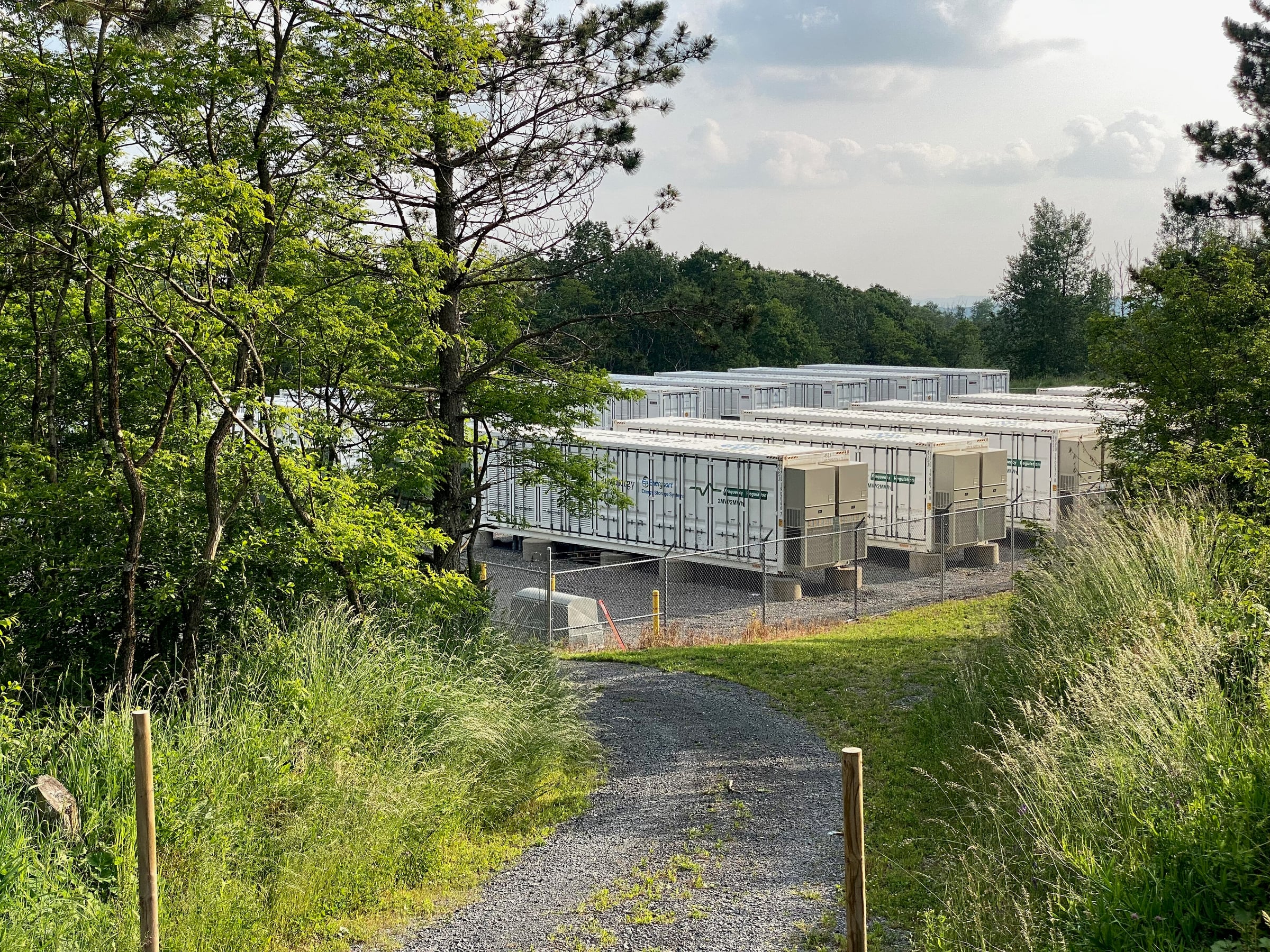
At All Energy Australia 2026 in Melbourne on 28 October, CATL unveiled Tener+, a 9 MWh grid-scale system aimed at long-duration storage. The company says it can cut the number of containers needed by up to 40% and shrink a project’s footprint by 12% compared with conventional solutions. Design life is 25 years, and one configuration offers three years of zero degradation, though that is not available across all configurations.
Tener Sodium was shown alongside it in Australia for the first time. CATL says the sodium-ion system can operate at ambient temperatures of up to 55°C.
CATL signed memorandums of understanding in Australia with Hitachi Energy, EPEC Group and UNSW Sydney, which plans a renewable energy training and innovation centre in Western Sydney. CATL says it has deployed more than 3,000 storage projects worldwide and that its Australian projects total more than 17 GWh. Zane Zhou, the company’s head for Australia, New Zealand and Oceania, said battery value should be assessed over a project’s entire lifecycle, and that the key question is whether batteries can meet expected charging and discharging requirements and support participation in Australia’s National Electricity Market.
Several of these are memorandums of understanding or cooperation agreements rather than purchase orders with disclosed values.
A Run of Sodium-Ion Agreements
The Intilion deal is the latest in a series. In April, CATL signed a three-year supply agreement with the Chinese integrator HyperStrong for 60 GWh of sodium-ion batteries for storage in China. In July it signed a memorandum with the Dutch company Alfen to deploy 5 GWh of sodium-ion energy storage systems in Western Europe starting in 2027, and a 2 GWh Tener Sodium cooperation agreement with Solarpro, an Eastern European renewable energy company. CATL later announced 5 billion yuan to build 40 GWh of sodium-ion capacity in Fujian, CnEVPost reports.
CnEVPost reports that CATL founder and chairman Robin Zeng has previously told investors that, over the long term, low-cost sodium-ion batteries could replace 30% to 40% of the existing battery market. That is a forecast from the company’s chairman, not an independent estimate.
Several of these are memorandums of understanding or cooperation agreements rather than purchase orders with disclosed values. The tests will be signed orders, grid connections and measured performance on European networks.
Why Europe Matters for CATL
Europe is a fast-growing market for stationary storage. SNE Research data cited by CnEVPost shows European lithium-ion storage battery shipments reached 72.7 GWh in the first half of 2026, up 74% from a year earlier. CATL’s global lithium-ion storage shipments rose 81% to 125.0 GWh, a 27.1% share and the largest of any supplier. Eve Energy followed with 10.4%, Hithium with 10.0% and BYD with 7.7%.
A sodium-ion product gives CATL another option to offer European customers. Whether those buyers will choose it over lithium-ion systems is not yet known, given that CATL’s lithium-ion storage shipments reached 125.0 GWh in the first half. With deliveries to international customers not due before June 2027, the first evidence will come from the projects the companies have yet to name.
Sources
- CATL signs deal with Germany’s Intilion to deploy 3 GWh of sodium-ion storage over 5 years, CnEVPost
- CATL unveils 9-MWh Tener+ storage system, deepens Australian presence, CnEVPost
- CATL und Intilion streben Bau von bis zu 3 Gigawattstunden Natrium-Ionen-Speichern an, pv magazine Deutschland
- CATL pushes sodium energy storage to market with Tener Sodium launch, CnEVPost
- CATL signs 2 GWh sodium battery storage deal with Europe’s Solarpro, CnEVPost