Key takeaways
- Luiz Inácio Lula da Silva won Brazil’s 25 October runoff with 51.8% of the vote, according to CBS News, and will begin a fourth term on 5 January 2027.
- Flávio Bolsonaro says he will seek to annul the election over the two-hour extension to voting, which CBS News and Al Jazeera say both campaigns requested.
- Brazil’s main stock index fell 13.88% on Monday 26 October, and analysts say attention will turn to Lula’s economic team and an opposition-dominated Congress.
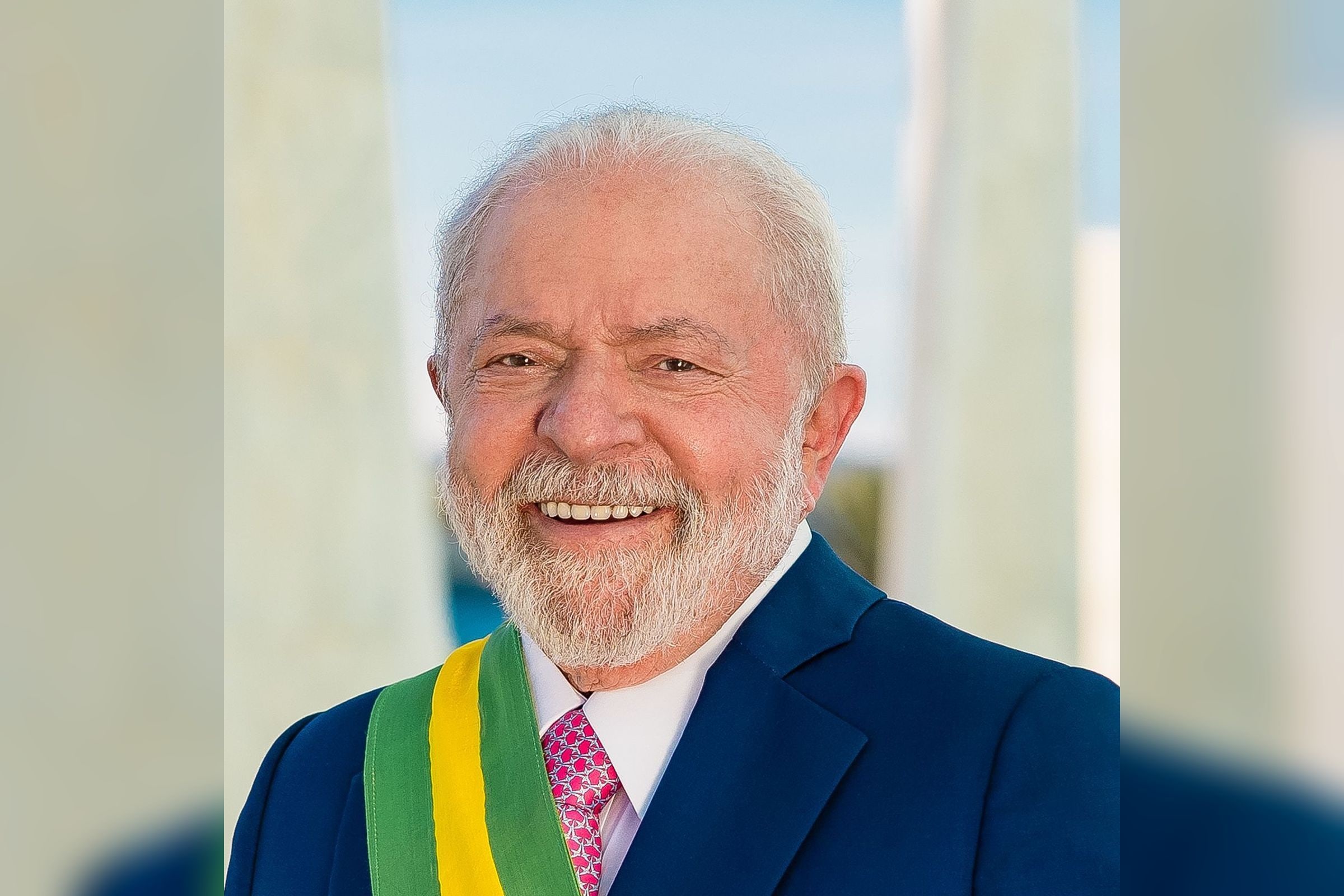
Brazil’s President Luiz Inácio Lula da Silva won the presidential runoff on Sunday 25 October, defeating Senator Flávio Bolsonaro, the son of former president Jair Bolsonaro. With all votes counted, CBS News reported Lula led by nearly 4.4 million votes and took 51.8% of the total. PBS NewsHour put the margin at nearly 4.5 million and gave the split as 51 to 48 percent. He is due to be sworn in on 5 January 2027 for a fourth non-consecutive term.
The result came at the end of a chaotic evening in which Supreme Court Justice Cristiano Zanin kept polling stations open for two extra hours. Flávio Bolsonaro refused to concede, and investors who had positioned for his victory sold Brazilian stocks and the currency on Monday. Al Jazeera wrote that the result denies the region’s right wing a crucial victory in Latin America’s largest country.
A Comeback After Finishing Second
In the first round on 4 October, Flávio Bolsonaro took 47% and Lula 45%, a gap of about 2.2 million votes, according to CBS News. Neither candidate reached the 50% needed to avoid a runoff. CBS reported it was the first time since 1985 that the first-round runner-up went on to win the presidency.
In the runoff Lula won more than 64 million ballots and Bolsonaro more than 59 million, Al Jazeera reported, with the Superior Electoral Court calling the race shortly after 9pm Brasília time. PBS NewsHour reported that millions of people who skipped the first round voted on Sunday, and that voters in Rio de Janeiro and the suburbs of São Paulo swung towards Lula. PBS rounds the margin to 51% against 48%, while CBS has Lula at 51.8%.
Al Jazeera said Lula rallied voters on cost-of-living issues after the first round. It noted he backed a constitutional amendment, passed this month, that shortened the working week, and floated free public transport at weekends. Lula, who CBS News said was soon to turn 81, has run for president seven times, according to Al Jazeera. In his victory remarks he said: "This was a defeat for denialism and lies," CBS reported.
Brazil’s 2026 Runoff in Numbers
CBS News reported that Lula took 51.8% of the vote, a margin of nearly 4.4 million votes. PBS put the split at 51 to 48 percent and the margin at nearly 4.5 million. Lula is due to take office on 5 January 2027. In the first round on 4 October Bolsonaro led 47% to 45%. The Rio Times reported that the Ibovespa fell 13.88% on 26 October, its biggest daily fall since March 2020.
An Election Day of Buses, Rain and a Court Order
Zanin ruled three minutes before polls were due to close that they would stay open for two more hours, CBS reported. Both candidates had asked for the extension, according to CBS and Al Jazeera, though PBS reported that the Supreme Court granted Lula’s request shortly before polls were set to close. Lula’s team cited bus problems in São Paulo and Salvador, cities that tend to favour him. Bolsonaro’s team cited heavy rain in southern Brazil, where he is stronger.
CBS reported that a state electoral judge in Bahia said at least 75 buses were kept from leaving municipal garages on election day, and ordered the arrest of Salvador’s mobility secretary, Pablo Souza. Salvador’s mayor, Bruno Reis, a Bolsonaro ally, blamed trade unionists for illegally placing Workers’ Party materials on buses. Lula’s allies, Al Jazeera wrote, accused Bolsonaro supporters of cutting bus services to hurt Lula’s working-class base.
CBS added that the extension delayed the count by two hours and that it is unclear how many polling stations stayed open past the scheduled close. In Rio de Janeiro, voting machines at one station were switched off minutes after closing time and could not be restarted.
Bolsonaro Disputes the Outcome
Flávio Bolsonaro did not concede. Al Jazeera reported he called it impossible to acknowledge the result and said he would seek to have the election annulled. PBS reported he said the justice "changed the rules of the game in the middle of the match". CBS reported he cited the confused evening at polling places after the extension. He argued that some stations could not reopen in time, harming votes he might have won, according to Al Jazeera.
CBS said the court decision may trigger legal action by Bolsonaro. Bolsonaro will stay in the Senate through the end of his term, PBS reported. A Bolsonaro ally, Nikolas Ferreira, noted that Zanin is Lula’s former lawyer, CBS wrote.
US President Donald Trump described the outcome as rigged, according to PBS. Al Jazeera reported that the Trump administration backed the Bolsonaro family and last year imposed 50% tariffs on certain Brazilian products to press for an end to Jair Bolsonaro’s prosecution. Jair Bolsonaro was sentenced to 27 years in prison for plotting a coup after his 2022 defeat, Al Jazeera added. Lula has framed such moves as an attack on the sovereignty of Brazil’s judicial system, according to the same report.
Al Jazeera wrote that the result denies the region’s right wing a crucial victory in Latin America’s largest country.
Markets Reprice Brazil
The Ibovespa, Brazil’s main stock index, closed down 13.88% at 176,608 points on Monday 26 October, from 205,082.56 on Friday, the Rio Times reported. It was the biggest daily fall since March 2020, and B3, the São Paulo exchange, triggered a circuit breaker for the first time since then. The dollar closed at about 5.41 reais, up 8.4% from 4.99, after touching 5.60 during the day, the Rio Times said. MercoPress put the real’s loss at more than 8% and said Brazil’s Treasury cancelled debt auctions scheduled for 27 to 29 October.
Many investors had expected a Bolsonaro win. Eirini Tsekeridou, an analyst at Julius Baer, said "Markets were broadly positioned for a Bolsonaro victory", according to MercoPress. The same report said the index had risen 7.7% on 5 October after the first round on expectations of greater fiscal discipline, and that a Citibank survey of 73 fund managers found 80% expected a fall of more than 5% if Lula won.
The Rio Times listed the open questions after the sell-off: whether it extends, whether foreign investors return, and how the government and central bank respond. MercoPress added that analysts expect attention to turn to Lula’s economic team and to who will fill it.
What Lula Faces Next
Lula returns to a country where, Al Jazeera wrote, household debt has surged and many Brazilians feel worse off, even though poverty fell and unemployment stayed low during his previous term. In September he banned online gambling and sports betting apps, the same report said. MercoPress cited Aberdeen Investments’ Viktor Szabó as saying that public debt exceeds 80% of gross domestic product and that ten-year bond yields are around 6.5%, and that investors need a revised fiscal framework that generates primary surpluses large enough to stabilise debt.
PBS reported that Congress remains dominated by the right, so Lula’s win, though decisive, is far from a mandate. Al Jazeera described the incoming Congress as the most right-wing in recent memory. Lula himself said: "I do not choose the Congress", according to Al Jazeera, and added that he would work with it.
Analysts cited by MercoPress said attention will turn to Bolsonaro’s stance, Lula’s ability to build majorities and the make-up of his economic team.
Sources
- Lula wins 4th term as Brazil’s president, beating Flávio Bolsonaro in runoff, but Bolsonaro rejects results, CBS News
- Lula holds off far right with victory in Brazil presidential election, Al Jazeera
- Lula wins Brazil’s runoff; Flávio Bolsonaro refuses to concede, PBS NewsHour
- Brazil Stocks Fall 13.9% After Lula’s Win, The Rio Times
- Brazil’s real plunges more than 8% and São Paulo stocks slump after Lula’s victory, MercoPress