Key takeaways
- Abbott plans to spin off its Nutrition business, which has about $8.5 billion in annual sales, as a separate public company by the end of 2027.
- Abbott shareholders would receive shares in the new company in a distribution that the company says is intended to be tax-free for US federal income tax purposes.
- Analysts quoted by MedTech Dive say the unit’s margins are below the group average and that its infant formula litigation remains an overhang.
Abbott said on Wednesday, 21 October 2026, that it intends to separate its Nutrition business into an independent, publicly traded company. The Abbott Nutrition spin-off was announced in a release datelined Abbott Park, Illinois, alongside the company’s third-quarter results. If completed, it would leave two listed companies where there is one today.
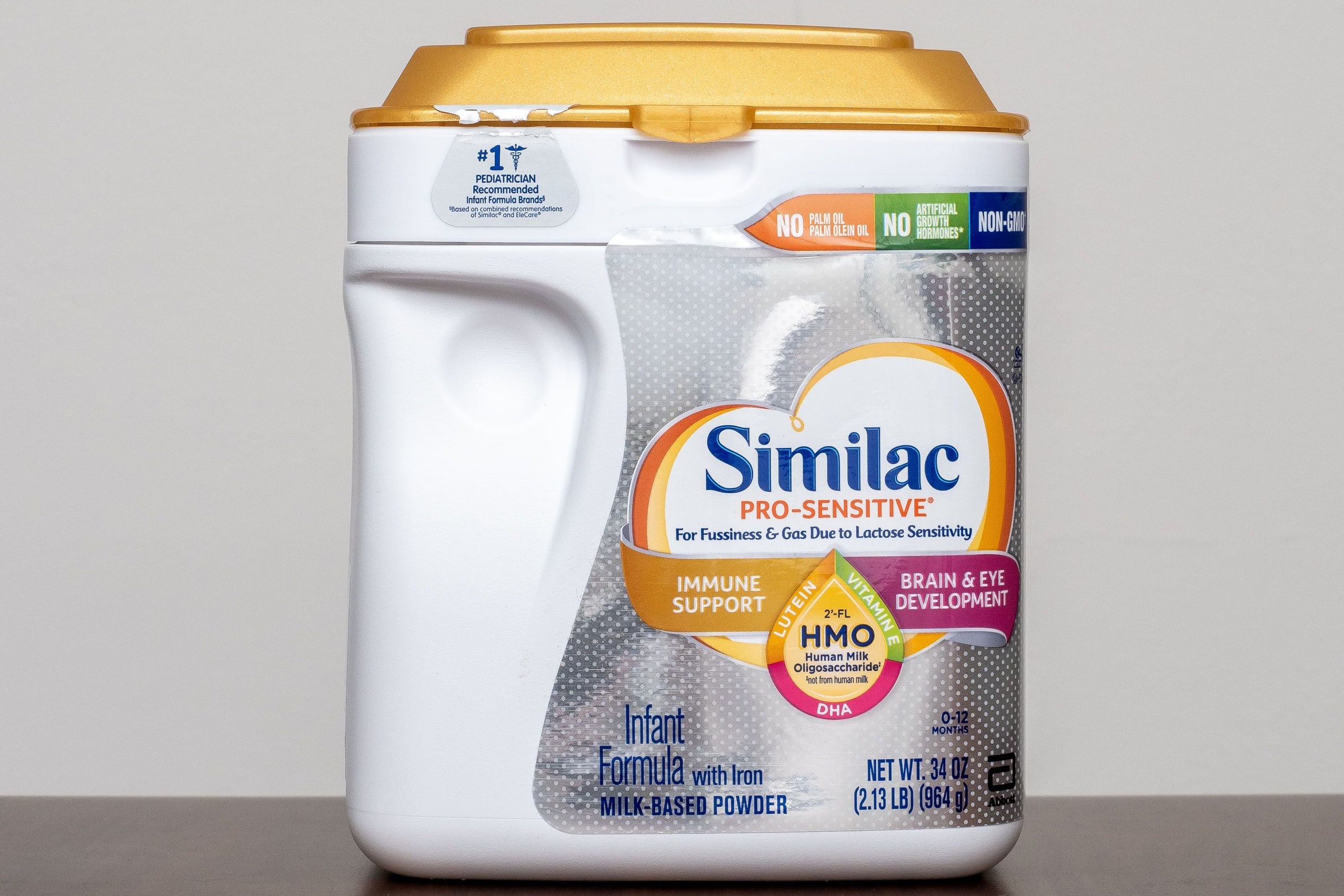
The business that would be spun off has about $8.5 billion in annual sales, roughly 16,000 employees and 14 manufacturing sites. Its brands include Similac, PediaSure, Pedialyte, Glucerna and Ensure. Abbott expects the separation to be complete by the end of 2027, and it says the company that remains would have about $42 billion in annual sales.
How the Abbott Nutrition Spin-Off Would Work
Abbott plans to distribute shares of the new Nutrition company to its shareholders, so each holder would own stock in both companies. The company describes the distribution as tax-free for US federal income tax purposes. It also expects the combined dividend paid by the two companies to equal Abbott’s dividend at the time of the separation.
Completion depends on regulatory approvals, the effectiveness of a Form 10 registration statement and final approval from Abbott’s board of directors. Each of those conditions must be met before the transaction can go ahead. Goldman Sachs is financial adviser to Abbott, and Wachtell, Lipton, Rosen & Katz is its legal counsel. Until the separation is complete, the Nutrition business will keep operating as part of Abbott.
Key Figures
The Nutrition business has about $8.5 billion in annual sales, roughly 16,000 employees and 14 manufacturing sites. Abbott expects the remaining company to have about $42 billion in sales, and completion is expected by the end of 2027.
Abbott’s Reasons and the Leadership Plan
Abbott says the two businesses have different investment identities, growth profiles and innovation cycles. Each company, it argues, can then direct capital and resources according to its own model. The remaining Abbott would focus on medical devices, diagnostics and established medicines, areas where it lists market-leading positions. Ford said the Nutrition business would be better placed as an independent company to direct its strategic resources across its priorities.
Robert B. Ford, Abbott’s chairman and chief executive, said that “this separation will benefit both companies”. Daniel Salvadori, who is executive vice president and group president for established pharmaceuticals and nutritional products, will become chief executive of the Nutrition company. He joined Abbott in 2014.
The remaining Abbott would have about 106,000 employees, according to the company’s frequently asked questions document. MedTech Dive says the remaining company would focus on higher-growth markets. The publication places the move in a wider pattern in medtech, citing Medtronic’s separation of its diabetes business earlier this year and Johnson & Johnson’s planned spin-out of its orthopedics business.
Third-Quarter Results and the Litigation History
Nutrition revenue reached $2.26 billion in the third quarter, growth of about 5% year on year, according to MedTech Dive. Abbott’s total third-quarter sales were $13.01 billion, up 14.5%, and the separation was announced alongside those results.
Abbott describes Ensure as the world’s No. 1 adult nutrition supplement drink, and Similac as the No. 1 US infant formula brand. The Nutrition business has also faced lawsuits and a federal investigation over the 2022 recall of powdered infant formula. The recall, together with the temporary closing of a large Michigan plant, contributed to a shortage of powdered formula.
Abbott reached a $385 million settlement with the US Department of Justice in September. In August, it announced a separate agreement to resolve claims involving about 2,000 other people tied to specialty formulas for preterm infants, at a cost of about $670 million. Abbott says the August agreement is not an admission of liability, and that the September settlement does not represent a finding of fault or liability. In announcing the September settlement, the company said the government had closed its criminal investigation into it, and that no unopened, distributed Abbott infant formulas have ever tested positive for Cronobacter sakazakii bacteria. Ford said on the Wednesday earnings call that fully resolving the litigation is not a prerequisite for completing the separation.
The business that would be spun off has about $8.5 billion in annual sales, roughly 16,000 employees and 14 manufacturing sites.
What Analysts and Investors Made of the Plan
Robbie Marcus of J.P. Morgan said that “the value proposition of the separation is clear”, and that the move should improve top-line growth and margins by removing a business that has been difficult of late. Marcus added that the spin-out should be a good strategy for Abbott’s overall business, and that the separation would remove a difficult business for both Abbott and the packaged goods and nutrition market overall. Marie Thibault of BTIG wrote that the Nutrition business had sometimes weighed on total company sales growth. She noted that its margins sit below the corporate average and that the litigation remains a continuing overhang.
MedTech Dive reports that Abbott also cut its 2026 sales growth guidance to 6%, down from a previous range of 6.5% to 7.5%. The company says the separation will not affect its guidance for 2026 or 2027, the second of which it plans to provide in January.
Timetable and What Abbott Has Not Yet Said
Abbott expects one-time charges related to the transaction in the periods before the separation, and says it will quantify them at a later date. For now the spin-off is a stated intention rather than a completed transaction. Completion is expected by the end of 2027, subject to regulatory approval and other closing conditions. Once the deal is complete, Abbott shareholders will own shares in both companies.
Abbott’s release describes Nutrition as having a unique opportunity to capitalise on growing demand for healthy nutrition, and it says the unit launched 10 products in the first half of 2026. The company frames the separation around that growth opportunity, and the Nutrition business will keep operating as part of Abbott until the transaction is complete.
Sources
- Abbott announces its intention to separate its global Nutrition business into an independent, publicly traded company, Abbott
- Abbott Laboratories Form 8-K, Exhibit 99.1, US Securities and Exchange Commission
- Abbott plans to spin out its nutrition business, MedTech Dive