
Key takeaways
- The Senate cleared the first hurdle on the Bipartisan American Affordability and Jobs Act by 73 to 25 on 9 November, with a final Senate vote expected before the Thanksgiving recess.
- The bill would set deadlines for environmental reviews, limit court challenges and require data centres to cover the grid costs they cause.
- Environmental groups, tribal leaders and House Democratic leader Hakeem Jeffries have raised objections, and President Trump’s opposition to wind power remains a complication.
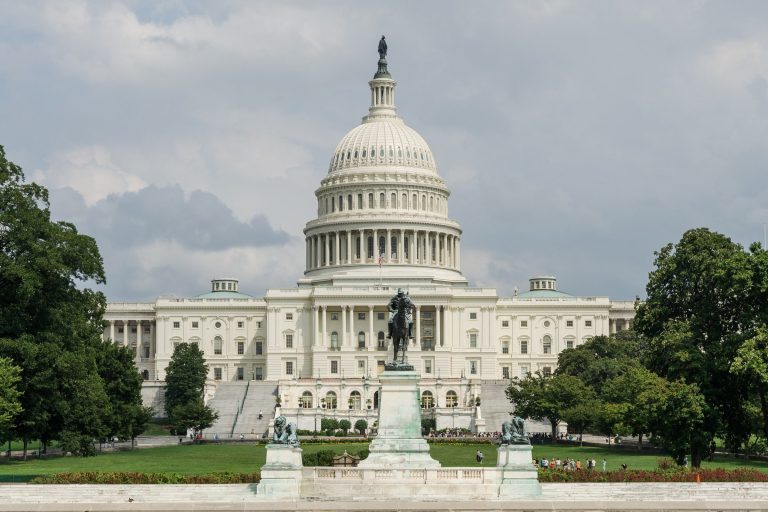
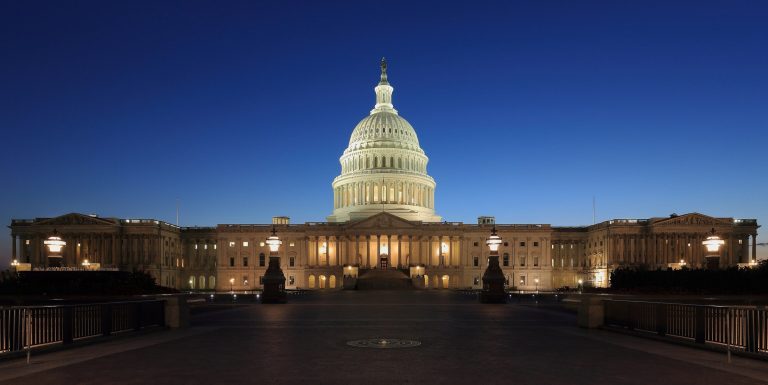
The US Senate is moving a sweeping bipartisan overhaul of how energy and infrastructure projects are approved toward a final vote, after clearing a series of procedural tests with margins well above the 60 votes required. The measure, the Bipartisan American Affordability and Jobs Act, is being taken up in the lame-duck session that followed the midterm elections.
Supporters say it would make energy projects faster and easier to build. Critics, among them environmental groups, tribal leaders and House Democrats, say it goes too far in limiting legal challenges and public input. Because the measure still has to pass the House, and Democrats will take control of both chambers in January, the next few weeks matter.
From a September Deal to Floor Votes
Senators from both parties announced the deal on 30 September, according to Associated Press reporting carried by PBS NewsHour. Its authors were Shelley Moore Capito, a West Virginia Republican who chairs the Environment and Public Works Committee; Mike Lee, a Utah Republican who chairs the energy committee; Martin Heinrich, a New Mexico Democrat and the top Democrat on energy; and Sheldon Whitehouse, a Rhode Island Democrat who is the top Democrat on the environment panel.
A vote was held back until after the midterms. Lee said at the time that he expected approval in a lame-duck session in November. On 9 November the Senate voted 73 to 25 for cloture on the motion to proceed, with 60 votes needed, Energy News Beat reported. Republicans backed it 51 to 1, with Mike Rounds of South Dakota the only Republican against, while Democrats split 21 in favour and 23 against.
That vote advanced the bill toward debate and was not final passage. HNGN reported that the Senate then voted 62 to 21 on 10 November to formally take up the bill, and 70 to 27 on Monday 16 November to end debate on a substitute amendment. The Senate is using H.R. 2347, a House-passed bill, as its legislative vehicle, HNGN said, and a final vote is expected this week, according to South Dakota Public Broadcasting and Maine Public.
The Votes So Far
On 9 November the Senate voted 73 to 25 to advance the Bipartisan American Affordability and Jobs Act, with 60 needed. HNGN reported a 62 to 21 vote on 10 November to take up the bill and a 70 to 27 vote on 16 November to end debate on a substitute amendment. A final Senate vote is expected this week, and the House must still act before Congress ends on 3 January 2027.
What the Bill Would Do
The package would change how federal agencies review projects under the National Environmental Policy Act, which critics say slows approvals. According to HNGN, environmental assessments would generally be due within one year and full environmental impact statements within two. A 150-day statute of limitations would apply to legal challenges, with review going to federal appeals courts. Clean Water Act Section 401 reviews would be limited to water-quality issues, and states and tribes would face a high evidentiary bar to deny or condition projects.
On transmission, the Federal Energy Regulatory Commission (FERC) could directly issue permits for interstate power lines of 230 kilovolts or more that are judged to be in the public interest, HNGN reported. Developers could recover 25 to 50 percent of costs if an agency acted in bad faith. The AP said the bill would also ease the siting of interstate transmission lines and limit challenges under the National Historic Preservation Act.
Data centres are a central part of the political pitch. Heinrich said they "will ensure they pay their fair share of the grid upgrades they require," according to the AP. The substitute amendment adds a requirement that data centres cover the full cost of the transmission and grid equipment they need, with FERC given 90 days after enactment to issue an implementing policy, HNGN reported. Senate Majority Leader John Thune said communities would also get technical assistance to assess data centre impacts, and that Clean Water Act permits for farmers would be extended from five to 10 years, South Dakota Public Broadcasting reported.
Who Objects and Why
Environmental groups are divided but many are opposed. Brad Campbell of the Conservation Law Foundation said the deal "appears to adopt a fossil fuel industry wish-list," and he warned that it could weaken Clean Water Act and Endangered Species Act protections and limit judicial review, the AP reported. Supporters counter that it speeds clean energy as well as fossil fuel projects; Senator Angus King of Maine, who voted to advance it, has long argued that permitting reform would accelerate clean energy, Maine Public reported.
Tribal leaders are among the sharpest critics. National Congress of American Indians President Mark Macarro wrote that the bill "would shut tribal nations out of the rooms where decisions are made," South Dakota Public Broadcasting reported, in objection to changes to the National Historic Preservation Act. Not all tribes agree: HNGN reported that the Crow Nation sent Congress a letter urging it to advance the bill, and that a Coalition of Large Tribes accepts the expedited framework but wants targeted changes.
There are objections inside the Senate too. Senate Democratic leader Chuck Schumer voted to advance the bill but has said he has outstanding concerns, including over New York’s water, land and communities, that he wants to address through amendments, HNGN reported. Rounds’ vote against was linked by South Dakota Public Broadcasting to concerns from the state’s Public Utilities Commission over transmission line permits, which are currently reserved for state-level final authority.
Even a comfortable Senate result would not settle the bill’s fate.
The Wind Power Problem
A long-running obstacle has been the Trump administration’s stance on wind power. In December 2025 the administration suspended five offshore wind projects, citing unspecified national security concerns, and federal judges later allowed them to proceed, the AP reported. Whitehouse said at the September announcement that Democrats still needed clarity on preventing the administration from blocking wind and solar projects.
President Trump has said he backs the bill. He also said, according to Maine Public, "I will not approve wind turbines because wind turbines are a major loser," and added that the bill had not been fully negotiated. Democrats have asked for a firm commitment that previously approved wind projects can go ahead, HNGN reported.
The House Is the Binding Constraint
Even a comfortable Senate result would not settle the bill’s fate. House Democratic Leader Hakeem Jeffries has said the bill falls short in several areas, HNGN reported, and analysts at the investment bank Jefferies quoted by Energy News Beat said the House "now appears to be the binding constraint." The current Congress ends at noon on 3 January 2027, and bills not enacted by then must be reintroduced, Energy News Beat noted.
Political.org reported on 6 November that Rapidan Energy Group put the odds of lame-duck passage at 20 to 25 percent, down from 30 percent before the election, and that TD Cowen put them at 25 percent, down from 40 percent. Democrats picked up at least seven Senate seats and at least 39 House seats and are set to control both chambers in January, the same report said.
An independent assessment cited by South Dakota Public Broadcasting, from Columbia University’s Center on Global Energy Policy, said the bill would make energy infrastructure "meaningfully faster and more predictable," but that this depends on implementation, and that affordability gains are plausible yet conditional and could take years to appear. Its effect on emissions was described as highly uncertain.
Sources
- Senate reaches bipartisan deal on permitting bill to speed approvals of new energy projects, PBS NewsHour (Associated Press)
- Thune pushes for passage of major permitting reform bill, South Dakota Public Broadcasting
- Congress considers controversial permitting reform bill, Maine Public
- Senate Advances Permitting Bill 70-27 As Jeffries Opposes It, HNGN
- 73-25: The Senate Moves to Build Faster. Your Power Bill Will Have to Wait., Energy News Beat
- Senate Set to Vote on Advancing Bipartisan Permitting Bill as Lame-Duck Session Opens, Political.org