Key takeaways
- Most legislation in the Senate needs 60 votes to end debate, a threshold known as cloture, which lets a minority block bills that a simple majority supports.
- The Senate has already removed the 60-vote requirement for executive branch personnel and federal judges, and budget reconciliation lets some bills pass by simple majority.
- Changing the rule would take 51 votes, which Majority Leader John Thune says he does not have, while some current and incoming lawmakers have signaled they would be open to abolishing it.
The filibuster is a Senate tradition that lets a minority of senators stop a bill from reaching a final vote. Over time it has turned into a vote-counting rule: to end debate and move most legislation forward, supporters need 60 votes, not a simple majority of the Senate. That gap decides which bills can move forward without support from the other party.
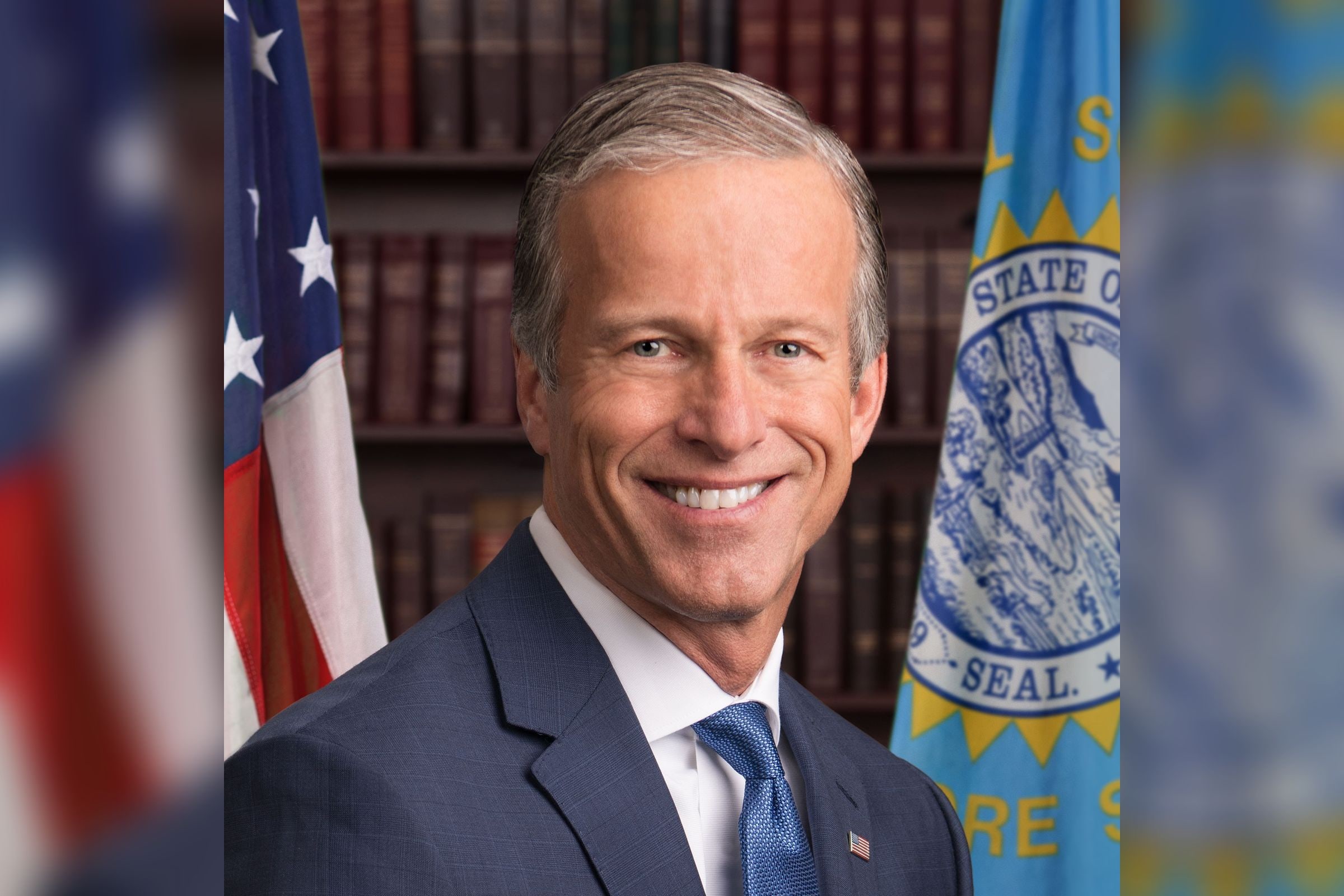
The rule is back in the news. On 12 November, President Donald Trump demanded that Senate Republicans eliminate the filibuster, writing in a Truth Social post that failing to do so would go down as one of the greatest mistakes in American political history. The National Desk reported that Majority Leader John Thune again said he does not have enough votes to end it. Democrats, meanwhile, will soon gain control of the chamber.
What the filibuster is and how cloture works
In the Senate, debate on most bills has no automatic end. A senator, or a group of them, can keep a bill from coming to a vote unless the chamber votes to close debate. That vote is called cloture. NBC News reports that since 1975 the legislative filibuster has required 60 votes to reach cloture and pass most bills over the objections of a minority.
NBC’s reporting also describes how changes to Senate rules and procedures in the 1970s reduced the cloture threshold to 60 votes and gave rise to the silent filibuster, in which senators could block legislation with minimal effort. Holding the floor and talking used to be necessary to block legislation.
Because cloture needs 60 of the 100 senators, a party with a simple majority still needs support from the other side on most bills. A united minority of 41 or more senators can stop a measure from advancing.
The filibuster in brief
Cloture, the vote that ends debate on most bills, requires 60 of 100 senators, and has since 1975. Executive branch personnel and federal judges need only a simple majority. Changing the rule takes 51 votes, and Majority Leader John Thune says he does not have them.
The routes around the 60-vote rule
The 60-vote threshold does not apply to everything. NBC reports that the Senate has eliminated it for executive branch personnel and federal judges, who now need only a simple majority. A second route is budget reconciliation, a process that Republicans used to pass Trump’s "big, beautiful bill." NBC reported in October 2025 that GOP senators had expanded these exceptions that year.
The rule itself can be changed without 60 votes. Roll Call, in a 5 November analysis, notes that changing the filibuster rules would take 51 votes in the Senate. This is the step often called the nuclear option, in which a simple majority sets a new precedent over the objection of the minority.
According to NBC News, Thune has maintained since he became majority leader in November 2024 that the legislative filibuster will remain unchanged on his watch. In February, the network reported that he had used loopholes and at times created new precedents to pass Republican priorities without triggering the nuclear option.
Why Republicans have resisted ending it
Trump has pressed the issue repeatedly. In October 2025, during a government funding fight, he urged Senate Republicans to "go for what is called the Nuclear Option", according to NBC News. He argued that Democrats would end the filibuster on their first day in office if they regained power.
Senate Republican leaders and several GOP senators opposed the move. NBC reported that Thune’s spokesman said his position was unchanged, and quoted Thune as saying on 10 October 2025 that the 60-vote threshold "has protected this country." Senator John Curtis of Utah was a firm no, Senator Roger Marshall called it a nonstarter, and Senator Thom Tillis of North Carolina said he would resign the same day if the filibuster were abolished. House Speaker Mike Johnson said it was not his call, calling it an important safeguard.
The argument returned in 2026 over the SAVE America Act, a Trump-backed bill that would overhaul election law and require proof of citizenship to vote. NBC reported in February that the bill had passed the House but needed 60 votes in the Senate, which Republicans lacked because of Democratic opposition. Democrats said noncitizen voting is already illegal and rare, and that the bill would disenfranchise citizens without current identification.
The talking filibuster idea
One proposal to get around the silent filibuster is to bring back the talking version. Senator Mike Lee of Utah, the bill’s chief Senate sponsor, wrote on X that the Senate should require filibustering senators to actually speak.
Under the idea, opponents would have to hold the floor and keep speaking until they yield to a simple-majority vote. Thune said it would tie up the floor indefinitely, with unlimited debate and amendments that can reset the clock, according to NBC. He listed other priorities it would push aside, including housing, market structure, permitting reform, a farm bill, a highway bill and Russia sanctions. NBC added that earlier Senate majorities considered and rejected the idea.
A bill that cannot gather 60 votes for cloture generally cannot move, no matter how many senators support it, unless it fits one of the exceptions.
Democrats look at the question from the other side
With Democrats set to gain control of the Senate, the question has shifted. The National Desk reported that it is unclear whether Democrats would use the nuclear option while Trump is in the White House. Roll Call said some current and incoming lawmakers are open to abolishing the legislative filibuster, and that the advocacy group Indivisible has urged breaking it on the first day of the new session.
Senator-elect James Talarico of Texas called the filibuster a "Jim Crow relic" that is leading to gridlock, Roll Call reported. Senator Elizabeth Warren proposed using budget reconciliation for some priorities and, if Republicans chose to stay tied to such corruption, clearing away Senate filibuster rules to pass the laws anyway. Senator John Fetterman reversed his earlier position and now defends the filibuster, praising Kyrsten Sinema and Joe Manchin for holding the line in 2022.
Senate Democratic leader Chuck Schumer, asked about nuking the filibuster, ignored the question and said the first step is to reduce costs and work the legislative process, according to Roll Call. NBC noted that Democrats tried and failed in 2022 to abolish the silent filibuster. A Trump veto would also stand in the way of Democratic plans, and Schumer acknowledged as much, Roll Call reported.
What to watch next
The legislative filibuster is still in place. Three questions will decide whether that changes. The first is whether any group of senators in either party can reach 51 votes for a rules change. The second is whether lawmakers keep relying on exceptions such as reconciliation, rather than altering the rule itself. The third is how the new Senate majority handles the pressure from activists who want the 60-vote threshold gone.
For readers following legislation, the practical effect is simple. A bill that cannot gather 60 votes for cloture generally cannot move, no matter how many senators support it, unless it fits one of the exceptions.
Sources
- Trump’s push to nuke Senate filibuster hits immediate Republican resistance, NBC News
- Senate Republicans clash over filibuster and Trump-backed voter ID bill, NBC News
- As Democrats look to next era, the veto and the filibuster await, Roll Call
- President Trump reapplies pressure on Senate Republicans ahead of Democratic takeover, The National Desk