
Key takeaways
- Bedrock Robotics closed a $600 million Series C round at a $4.1 billion valuation, co-led by CapitalG and Emergence Capital, with Nvidia, Bessemer Venture Partners, and Temasek among the backers.
- The self-driving retrofit kit has moved past pilots: autonomous excavators began paid commercial work in August 2026, including a Nevada water treatment facility and a Texas earthwork site run by Champion Site Prep.
- Bedrock was founded in 2024 and has raised nearly $1 billion in total. Its new valuation is a more than 134% increase from the $1.75 billion valuation of its February 2026 Series B.
Bedrock Robotics has raised $600 million in a Series C funding round at a $4.1 billion valuation, the company announced on October 26, 2026. The round was co-led by CapitalG and Emergence Capital, with new investors including the US Innovative Technology Fund, Bessemer Venture Partners, and Temasek. Nvidia, an existing investor, also participated.
The raise follows a $270 million Series B in February 2026 that valued Bedrock at $1.75 billion. Chief executive Boris Sofman, who previously led Waymo’s self-driving trucks programme and co-founded the consumer robotics company Anki, said in a statement that ‘we have proven that fully autonomous excavators can perform real work of value alongside the crews and workflows already in place on job sites.’
A Retrofit Kit for a Skilled-Labour Shortage
The problem Bedrock is trying to solve is a shortage of skilled operators. The Associated Builders and Contractors, a national construction industry trade association, estimates that more than 40% of construction workers will retire in the next five years. According to Bedrock, it takes five years or more to master operating an excavator.
The announcement notes that through 2035, employers will need to fill approximately 1.7 million openings each year. In construction specifically, 87 percent of firms report openings for hourly craft positions, and 88 percent say the roles are as hard or harder to fill than a year ago.
Bedrock makes sensors that automate construction vehicles so they can clear sites without human operators. The company aims to address a shortage of construction equipment operators and help contractors accelerate project timelines with vehicles capable of running around the clock.
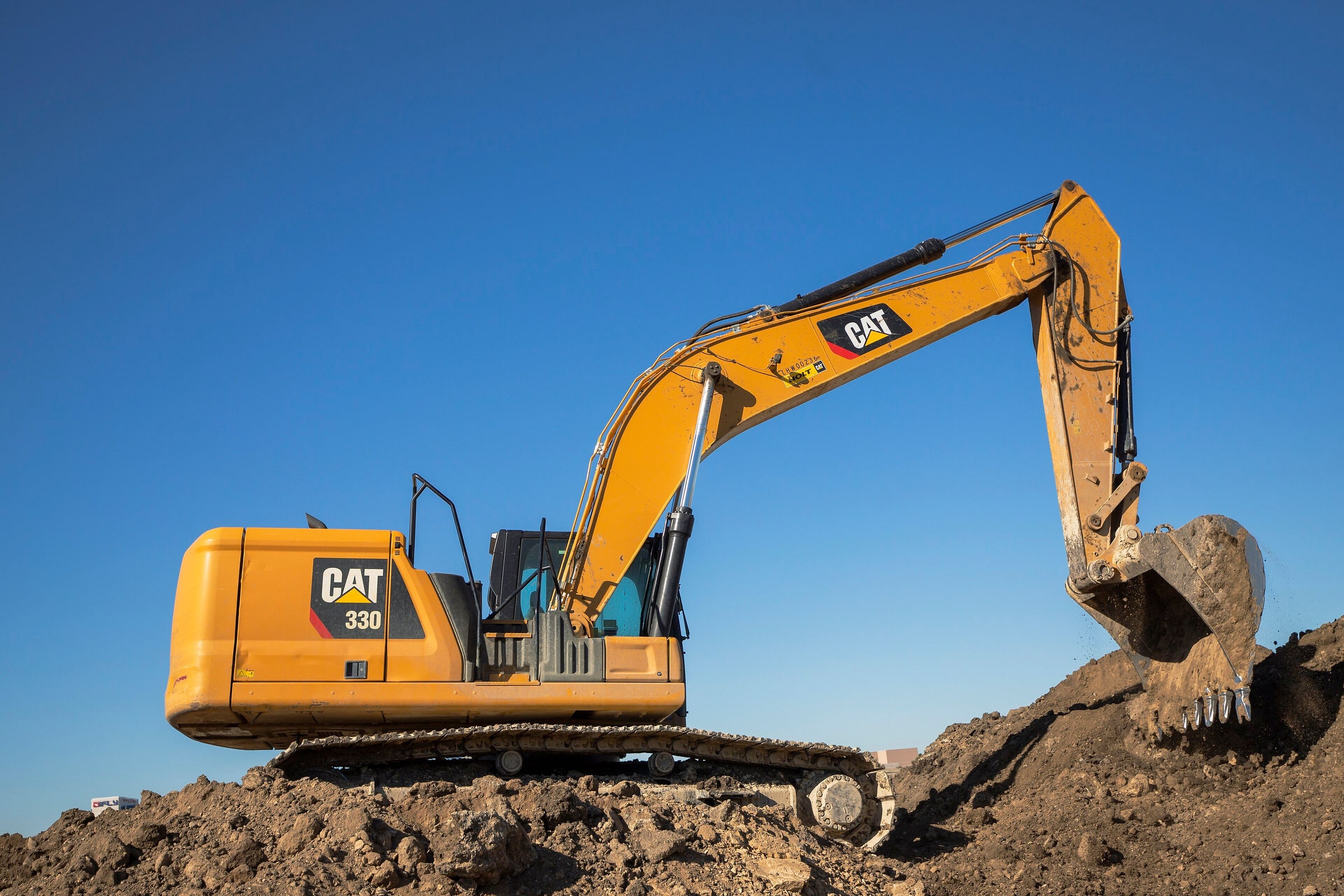
Bedrock has developed a self-driving kit that can be retrofitted onto construction and other worksite vehicles. The flagship product, called the Bedrock Operator, is designed for excavators in the 20 to 80 ton range and similar heavy equipment.
Sofman and his co-founders Kevin Peterson (chief technology officer) and Ajay Gummalla (VP of engineering and infrastructure) are Waymo veterans. Tom Eliaz, a co-founder and the company’s VP of engineering and hardware, previously worked at Segment and Twilio.
Bedrock Robotics: By the Numbers
Founded in 2024 by Boris Sofman, Kevin Peterson, Ajay Gummalla, and Tom Eliaz. Raised $600 million in Series C at a $4.1 billion valuation, co-led by CapitalG and Emergence Capital. Previous raise: $270 million Series B in February 2026 at $1.75 billion. Total funding: nearly $1 billion. Autonomous excavators are doing paid work on live commercial jobsites in Nevada and Texas.
From Pilots to Paid Work
Before August, Bedrock’s autonomous excavators were in testing and pilot programs. In mid-August 2026, they began doing paid work on live commercial jobsites. CryptoBriefing describes that milestone as the company’s first excavator deployments on active commercial sites with no human operator in the cab.
Three sites are currently operating: a Nevada-based water treatment facility, an earthwork site run by Champion Site Prep in Texas, and a 1.2 million-cubic-yard civil sitework project with Zachry Construction Corporation. The company has worked with established construction firms Sundt and Zachry on recent projects.
Bedrock has recently expanded its customer base beyond the West and Central South regions through contracts with companies such as Wagner Construction in Minnesota, Smith Trucking Co. in Florida, B&S Site Development in Virginia and Native Excavating in Colorado. Bedrock has more than doubled its total customer volume since 2025.
Haydon, an Arizona-based general contractor, is the newest partner and was announced alongside the Series C. Haydon plans to use Bedrock-equipped machines across a range of projects, including advanced manufacturing facilities, water and wastewater plants, data centers, and healthcare facilities. Haydon is also deploying the system on a remote site in Texas, where crews will leverage the system for fully autonomous earthwork. As the partnership evolves, Haydon will also test more advanced applications, including trench work and the automation of larger machine models.
Katie Haydon, CEO and chair of Haydon, said: ‘For us, the biggest win is a safer, more predictable job site.’
The company has hired Amy Jones Satrom as vice president of operations. She is a veteran of Amazon, Nuro, and Uber. Lando Juarez, previously head of legal for Uber’s autonomous mobility and delivery business, joined as general counsel.
The Investor Case
The valuation rose more than 134 percent from the February Series B to the Series C. Bedrock first emerged from stealth in July 2025 with $80 million in seed and Series A funding, according to CryptoBriefing.
Nvidia had previously invested in Bedrock and took part in the new round alongside the new investors. CryptoBriefing lists NVentures, the venture arm of NVIDIA, among the company’s backers.
Bedrock isn’t the only company working to automate industrial vehicles. Autonomous Solutions Inc. announced a joint venture with SoftBank Group Corp. in September to develop and commercialize autonomous construction equipment for large infrastructure projects. SoftBank is also investing $225M in ASI, whose products help construction firms deploy autonomous vehicles for tasks like on-site excavation and haulage.
Jake Saper, general partner at Emergence Capital, said that construction is the sharpest example of an industry that cannot hire the skilled labor it needs.
CapitalG general partner Derek Zanutto said: ‘Construction sits at the foundation of nearly every major economic and industrial ambition in the United States.’
The next challenge is delivering that capability to more contractors as a dependable part of how projects get built.
What the Capital Will Be Used For
Sofman said in a statement that the funding will expand deployments, strengthen the field operations behind every machine, and let Bedrock work with more partners. The company plans to deploy its technology at more construction sites, while expanding the teams and infrastructure needed to support customers in the field.
Bedrock has raised nearly $1 billion since it was founded in 2024 by a group of autonomous vehicle and robotics industry veterans.
In the same statement, Sofman said: ‘The next challenge is delivering that capability to more contractors as a dependable part of how projects get built.’
Sources
- This startup’s self-driving excavators help dig up $600M in new funding, TechCrunch
- Bedrock Robotics raises $600M as its self-driving excavators head to real job sites, CryptoBriefing
- Autonomous Construction Vehicle Startup Bedrock Hits $4.1B Valuation, Bisnow
- Bedrock Robotics Raises $600 Million to Scale Autonomous Excavators Across the US, Robotics and Automation News
- Bedrock Robotics Raises $600M at a $4.1B Valuation, RuntimeWire