
Key takeaways
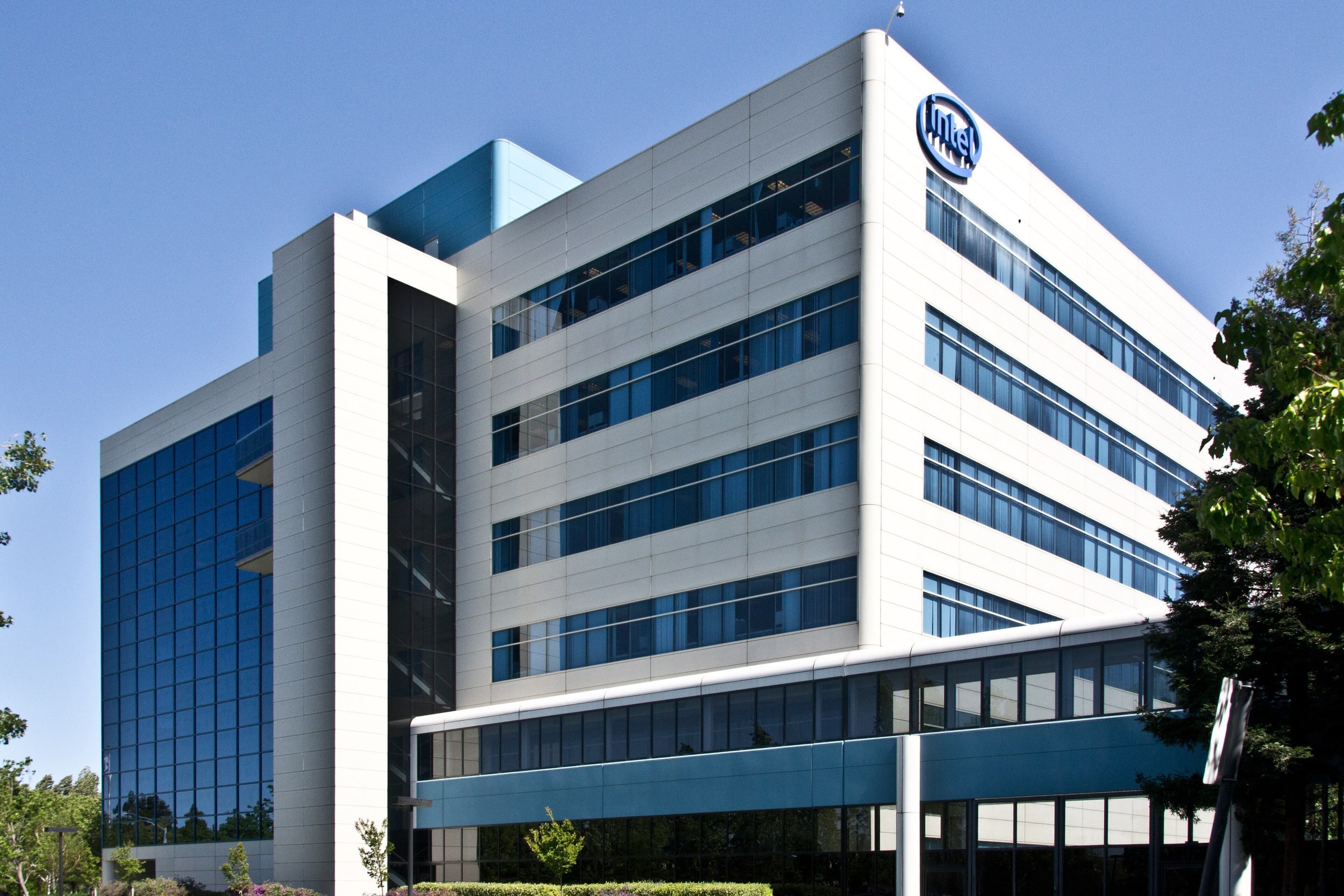
- Intel announced on 26 October that it will acquire Classiq, with press reports putting the price at $2.2 billion to $2.3 billion.
- Calcalist, as reported by Ynet, said each of the three founders is expected to receive between $80 million and $100 million, and that employees own about 10% of the company.
- The deal is expected to close in the first half of 2027, subject to regulatory approvals.
Intel said on 26 October that it has entered into a definitive agreement to acquire Classiq, an Israeli company that writes software to make quantum computers easier to program. Intel did not state a price. Calcalist, as reported by Ynet, put the deal at $2.3 billion in cash and shares, while SiliconANGLE reported $2.2 billion.
It is a large exit for a startup that was founded only in 2020 and still had annual revenue below $100 million. It is also a story about who shares in such a sale: three founders, two of them father and son, venture investors, and about 150 employees holding stakes in the company.
The Terms of the Deal
Intel’s release says the transaction is subject to regulatory approvals and other customary closing conditions, and is expected to close in the first half of 2027. Until then the two companies will continue to operate as separate, independent companies. SiliconANGLE reported that Intel said Classiq will become its global development centre for quantum computing.
Intel chief executive Lip-Bu Tan said the combination "transforms Intel’s Quantum Computing Group into a full-stack quantum computing business". The Quantum Computing Report noted that Intel has worked on quantum computing since 2015, producing silicon spin-qubit chips and the cryogenic control electronics around them. Classiq’s software would sit on top of that hardware.
Nir Minerbi, Classiq’s co-founder and chief executive, said in Intel’s release that the two companies together can help unlock the benefits of quantum computing and speed up its adoption. Intel also said that after closing it intends to support Classiq’s existing multi-platform integrations and keep a modality- and hardware-agnostic software solution. SiliconANGLE put the purchase second among Intel’s largest acquisitions, behind the $15.3 billion it paid for Mobileye in 2017.
The Classiq Deal in Numbers
Intel agreed on 26 October to buy Classiq in a deal reported at $2.2 billion to $2.3 billion; Intel did not state a price. Classiq was founded in 2020, has about 150 employees and has raised just over $200 million. The deal is expected to close in the first half of 2027, subject to regulatory approvals.
What Classiq Built
Classiq is based in Tel Aviv and was founded in 2020 by Minerbi, Yehuda Naveh and Amir Naveh. It does not build quantum computers. According to the company’s own funding announcement in May 2025, it offers a high-level development platform, with an IDE, a compiler and an operating system, that automates quantum programming so that people without deep quantum expertise can build applications.
Minerbi put the ambition in plain terms in that announcement: "We are building the Microsoft of quantum computing". Ynet, citing Calcalist, framed it as the equivalent of a Windows operating system for quantum computing. SiliconANGLE reported that the platform works with trapped-ion, superconducting, photonic and spin-qubit machines, among others, and that IBM, which offers the Qiskit software platform, is likely to be Intel’s biggest rival.
The company named BMW, Citi, Deloitte, Rolls-Royce, Mizuho and Toshiba as customers in 2025. SiliconANGLE described BMW using the software for car aerodynamics simulations, HSBC for a fraud-detection algorithm and the Italian bank Intesa Sanpaolo for pricing options over shorter timeframes. Ynet reported that the company had been weighing a Wall Street listing through a merger with a special purpose acquisition company before Intel’s offer.
How the Money Is Reported to Be Split
Calcalist’s reporting, carried by Ynet, said each of the three founders is expected to receive between $80 million and $100 million. Minerbi and Amir Naveh are graduates of the Israeli military’s Talpiot programme, and Yehuda Naveh, Amir’s father and Classiq’s chief technology officer, previously held a senior position in IBM’s Israeli research and development operations.
Employees collectively own about 10% of the company, roughly $230 million at the deal valuation, according to the same report, which also said Intel has reportedly allocated more than $100 million in additional retention grants. Ynet named Entrée Capital, Team8 Capital and the Israeli insurer Phoenix among the major investors. Analyst Holger Mueller of Constellation Research called the deal a "lateral move" that gives Intel access to quantum computing and quantum software, SiliconANGLE reported.
Funding History and Valuation
Classiq has raised just over $200 million, according to SiliconANGLE, which listed a $33 million Series B in 2022 and a $110 million Series C in 2025. The company announced the Series C on 12 May 2025 and called it the largest ever raised by a quantum software company. Entrée Capital led the round, and Norwest, NightDragon, Hamilton Lane, Clal, Neva SGR, Phoenix, Team8, IN Venture, Wing, HSBC, Samsung Next and QBeat were among the investors. The company said total funding had reached $173 million then, and that it planned to spend the money on sales, customer success, research staff and a wider global presence.
Ynet reported at the time that the round valued the company at about $600 million, based on estimates, and in its latest report put the 2025 valuation at roughly $600 million to $700 million. Ynet says Intel’s price is more than three times that valuation. Set against that range, the $2.2 billion and $2.3 billion prices are roughly 3.1 to 3.8 times the valuation.
In 2025, Ynet also reported that annual recurring revenue was in the low millions and that most clients were still experimenting rather than running commercial operations. The same article said Entrée Capital had backed the company since the pre-seed stage.
It is a large exit for a startup that was founded only in 2020 and still had annual revenue below $100 million.
A Conflict of Interest, Handled at the Top
SiliconANGLE described Intel’s Tan as one of the earliest investors in Classiq, taking part in its $33 million Series B and returning for the $110 million Series C. Ynet reported that he acquired his stake before becoming Intel’s chief executive, and that according to sources close to the company he did not take part in the acquisition negotiations because of his financial interest. The saved sources do not give the size of his stake or any gain from the sale.
What It Means for Israel’s Quantum Startups
The Quantum Computing Report put Israel fourth in the world for private quantum venture capital, with roughly 9% of global private funding. Its quantum startups grew from five in 2019 to more than 20 today and have attracted an estimated $650 million to $1 billion. The same report lists a late-stage capital deficit among the ecosystem’s growth hurdles.
Classiq is not the only Israeli quantum company to attract large investment. Ynet reported in 2025 that Quantum Machines had raised $170 million in February that year, bringing its total to $280 million, and described the two companies as racing to become Israel’s first quantum unicorn. SiliconANGLE noted that Classiq’s software is designed to run on processors made by Quantum Machines.
Sources
- Intel to Acquire Classiq to Create a Full-stack Quantum Computing Platform, Intel Corporation
- Intel buys quantum software pioneer Classiq for $2.2B, SiliconANGLE
- Intel to acquire Israeli quantum startup Classiq for $2.3 billion in record deal, Ynetnews
- Classiq Raises $110M in Largest-Ever Quantum Software Funding Round, Classiq
- With customers like Rolls-Royce and BMW: Israeli startup Classiq raises $110 million, Ynetnews
- Intel to Acquire Classiq, Quantum Computing Report